











You hop in the car on a cool fall morning, turn the key, and get that slow, groaning crank instead of a smooth start. It’s one of the most common ways drivers find out their battery is on its way out, and it usually happens right around the time the weather starts to change. Here’s what actually determines how long a car battery lasts, the warning signs worth watching for, and where insurance does and doesn’t come into play.
How Long Does a Car Battery Actually Last?
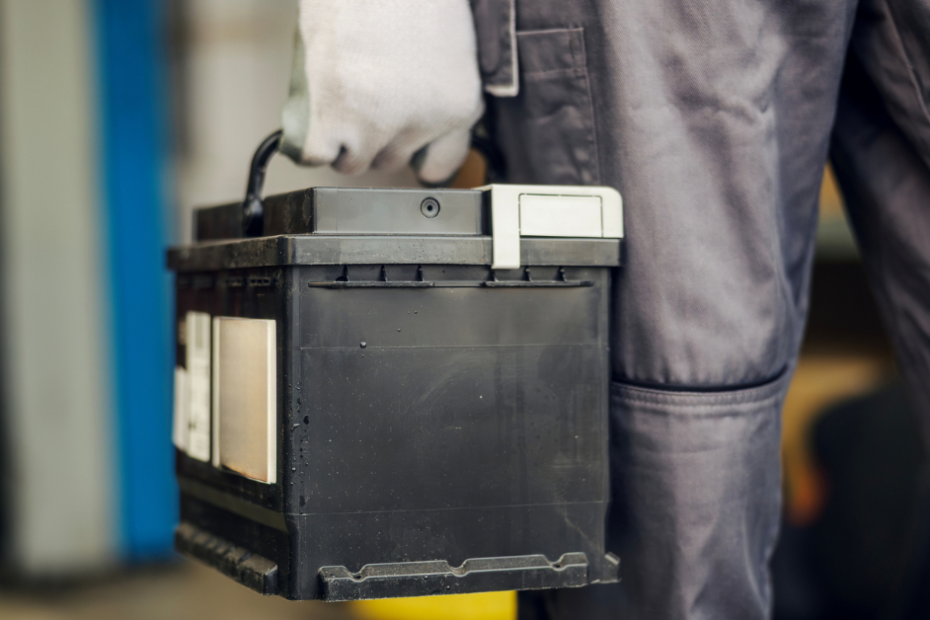
Most car batteries last somewhere between three and five years. Where you land in that range depends on your climate, how you drive, and how well the battery has been maintained. Some drivers get closer to six or seven years out of a battery that’s been well cared for, while others see one fail in closer to two or three years if it’s been through a lot of heat, short trips, or neglect.
Electric and hybrid vehicles use a different kind of battery for actually powering the car, but they still have a smaller 12-volt battery that starts the vehicle’s electronics, and that one follows a similar timeline to a traditional car battery. Either way, once a battery passes the three-year mark, it’s worth having it tested rather than waiting for it to fail on its own.
What Makes a Battery Wear Out Faster?

Heat is one of the biggest culprits. It might seem backwards, since batteries famously struggle to start a car in the cold, but it’s actually summer heat that does most of the long-term damage by wearing down the internal components faster. That damage often doesn’t show up until the weather cools off and the battery no longer has enough power left to work as hard as cold mornings demand, which is exactly why so many batteries seem to die right around fall.
Driving habits play a role too. Frequent short trips don’t give the battery enough time to fully recharge, so it slowly loses capacity over time. Leaving headlights on, charging devices while the engine’s off, or even keeping a key fob too close to the vehicle can quietly drain the battery as well. On top of that, corrosion around the terminals can build up unnoticed and make it harder for the battery to do its job.
What Are the Warning Signs a Battery Is on Its Way Out?
A battery rarely fails without giving you a little warning first. A slower crank than usual, a clicking sound when you turn the key, headlights that seem dimmer than normal, or a battery warning light on the dashboard are all early signs worth paying attention to. Visible corrosion, cracks, or a swollen battery case are also signs it’s time for a replacement, and a strong, rotten-egg smell near the engine can point to a leak that shouldn’t be ignored.
Does Car Insurance Cover a Dead or Failing Battery?
Here’s where insurance fits in, and it’s worth setting expectations early. A dead battery from normal wear and tear isn’t something your comprehensive or collision coverage will pay to replace, since those coverages are built for accidents, theft, and other sudden, covered losses, not everyday mechanical upkeep.
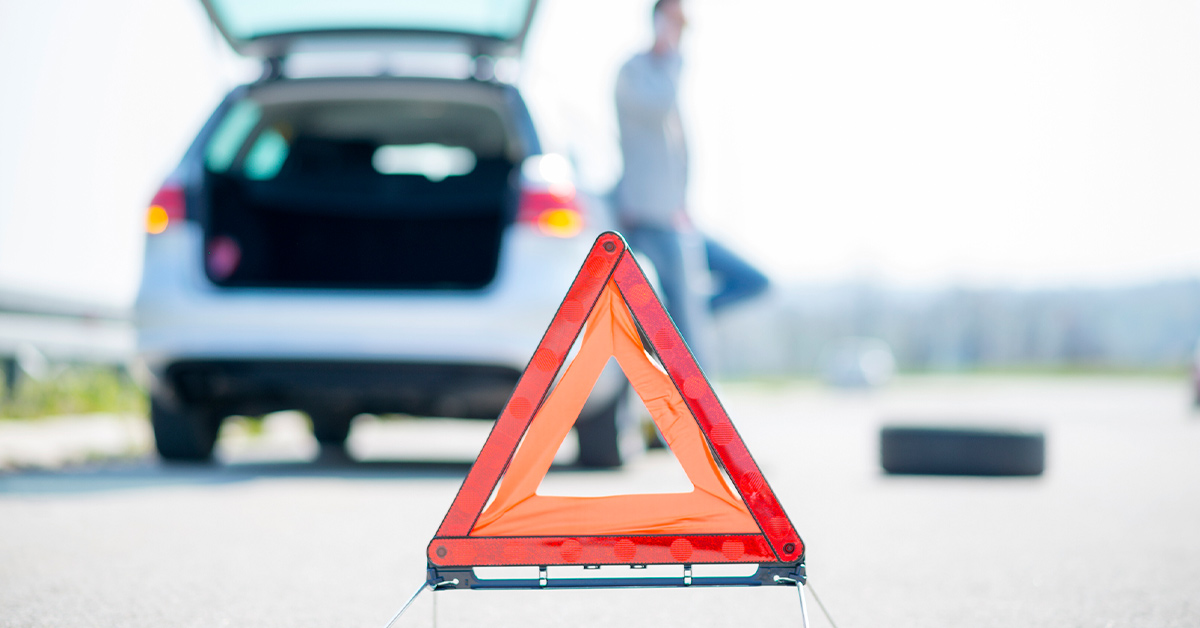
Where your policy can help is roadside assistance, if you have it. Battery jump starts are one of the most common reasons drivers use roadside assistance, right alongside flat tires and lockouts, and it’s designed for exactly this kind of situation. Calling for the occasional dead battery generally won’t raise your rate either, so there’s little downside to using it if you have it. If you’re not sure whether roadside assistance is on your policy, it’s worth checking before you actually need it.
How Can I Make My Battery Last Longer?
A little consistency goes a long way. Parking in a garage or shaded spot when you can helps reduce the heat exposure that wears batteries down over time, and driving regularly, rather than letting the car sit for long stretches, helps keep it fully charged. It’s also worth taking a quick look at the battery terminals every so often for corrosion, and making a habit of double-checking that lights and electronics are off before you walk away from the car.
Quick Battery Checklist to Keep Handy
- Battery is 3+ years old: Get it tested rather than waiting for it to fail, ideally at your next oil change or when the seasons change.
- Slow cranking or clicking sounds at startup: Treat this as an early warning, not something to brush off.
- Dim headlights, especially while idling: Often one of the first signs a battery is losing strength.
- Corrosion, cracks, or a swollen case: Any of these mean it’s time to have the battery replaced, not just cleaned.
- A rotten-egg smell near the engine: Have it checked promptly, since this can signal a leak.
- Frequent short trips or long periods of inactivity: Both quietly shorten battery life, so a longer drive now and then helps.
- Roadside assistance on your policy: Confirm you have it so a dead battery means a quick call instead of a stressful morning.
Talk to an AIS Auto Insurance Specialist
Not sure if roadside assistance is part of your current policy, or want to add it before the weather turns? AIS Insurance can help. Our specialists can walk you through your coverage, explain what is and isn’t included, and see if there’s room to save at the same time. Call (888) 772-4247 or start a quote online to review your options today.
The information in this article is obtained from various sources and offered for educational purposes only. It should not replace the advice of a qualified professional. The definitions, terms, and coverage in a given policy may be different than those suggested here. No warranty or appropriateness for a specific purpose is expressed or implied.