












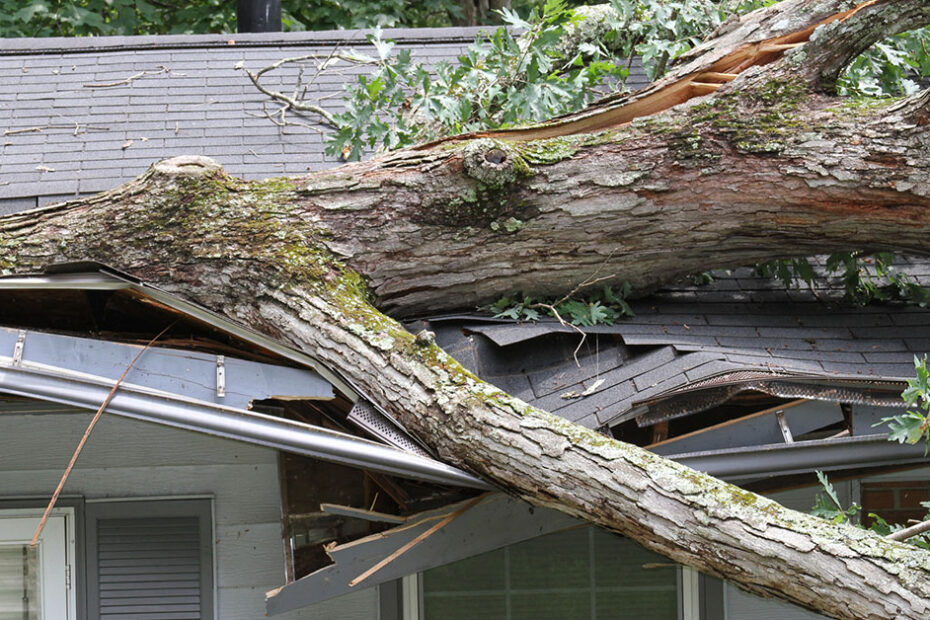
A fallen tree can create a lot of stress and questions—especially when it lands on your house or car. Understanding how homeowners insurance coverage or your auto policy helps in these situations is key to getting repairs started quickly. Let’s break down what happens if a storm, high winds, or even your neighbor’s tree causes damage to your property.
Tree Damage and Your Auto Insurance Coverage
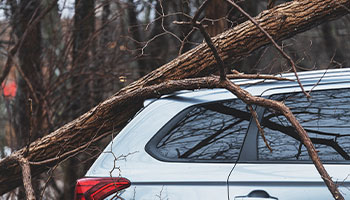
Imagine waking up to find a huge tree limb has crashed onto your car, leaving your roof and door badly damaged. You may wonder if your neighbor is responsible, or if your car insurance will pay for the repairs. Here’s what you need to know:
- If you have comprehensive auto insurance, your car is covered for damages from most things other than collisions—this includes falling trees or limbs.
- Your policy will cover repairs (up to your coverage limit), but you will have to pay your deductible first.
- Typically, your own insurance company will handle your claim, even if the tree came from your neighbor’s property.
- In some rare cases, if your neighbor was warned their tree was dangerous and ignored it, your insurer might try to recover costs from their homeowners policy—and this could even include your deductible.
Comprehensive coverage is not always included in a basic auto policy, so it’s important to review your policy details before an incident happens. It’s an optional coverage, but it’s the one that keeps you protected from damage caused by weather, falling objects, theft, and more.
How Homeowners Insurance Handles Tree Damage
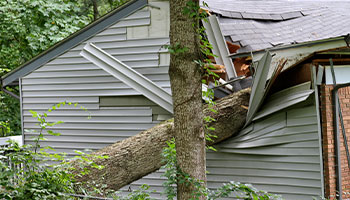
Now, let’s say the tree skips your car and crashes down on your roof. Do you call your neighbor? Or is it on your insurance?
- If a tree falls and damages your home, your own homeowners insurance steps in, even if the tree was on your neighbor’s property.
- Your carrier will pay for repairs to your home (after your deductible), as long as the damage was caused by an event covered in your policy, like wind or storms.
- The exception: If you can show your neighbor was negligent—maybe you warned them about a dead or unstable tree and they didn’t act—their insurer may be held responsible for your damages.
Most of the time, nature is to blame, and your insurance will take care of the costs. It’s a good idea to keep written concerns you share with your neighbors, in case negligence needs to be proven.
Tips for Handling Tree Damage Claims
- Take photos of the damage right away.
- Secure your property and prevent further harm if possible.
- Contact your insurance company promptly to file a claim.
- Keep receipts for any temporary repairs.
- If there’s evidence of negligence, gather proof or written records before you file.
Talking to your insurance agent is always wise if you’re unsure how to handle a tree damage situation.
AIS is Here to Help You Find Coverage
No matter how careful you are, accidents and storms can cause serious damage to your home or car. The good news is that with the right homeowners insurance coverage and comprehensive auto insurance, you’re protected when trees or storms strike.
Don’t wait for damage to happen—make sure your policies fit your needs before you need to file a claim. For help reviewing your coverage or getting a personalized quote, call AIS Insurance at (888) 772-4247. Our friendly experts are ready to make sure you’re prepared for whatever nature brings your way!
The information in this article is obtained from various sources and offered for educational purposes only. Furthermore, it should not replace the advice of a qualified professional. The definitions, terms, and coverage in a given policy may be different than those suggested here. No warranty or appropriateness for a specific purpose is expressed or implied.