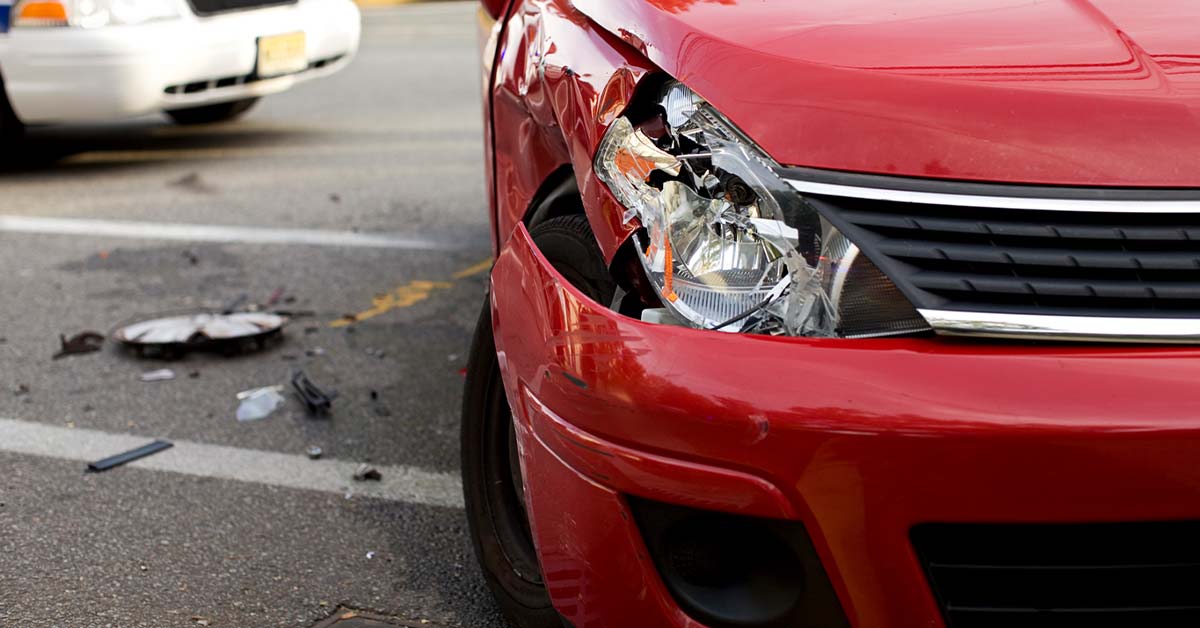
Getting into a car accident is stressful enough. Finding out the other driver has no auto insurance makes it worse. Unfortunately, an accident with an uninsured driver isn’t rare. Millions of drivers on the road carry no coverage at all, despite state requirements in most places. If this happens to you, knowing the right steps can protect your safety, your claim, and your wallet.
Stay Safe and Assess the Scene
If no one is hurt and your car is drivable, move it out of traffic to a shoulder, driveway, or parking lot. Staying in an active lane puts you and other drivers at risk. Once you’re safely off the road, check on your passengers and yourself before doing anything else.
Call 911 if anyone needs medical attention. It’s also worth calling police even for minor accidents, since a police report creates an official record of what happened. That documentation can matter later, especially if fault becomes a point of dispute.
Watch for Pressure Tactics
Some uninsured drivers may worry about the consequences of being caught without coverage, which can include license suspension in many states. Because of this, they may try to leave the scene, downplay what happened, or offer you cash to avoid reporting the accident.
Turning down cash offers is usually the safer choice. That amount rarely covers the full cost of repairs or medical care, and accepting it can eliminate your ability to seek fair compensation later. It’s better to document everything and let your insurer or the police handle the situation properly.
Gather Information and Documentation
Before leaving the scene, collect as much information as you can. This protects you if questions come up later about fault or damages.
A few things worth doing:
- Get the other driver’s name, contact information, and license plate
- Take photos of vehicle damage, the scene, and any visible injuries
- Write down witness names and contact details if anyone saw the crash
- Keep records of any medical treatment you or your passengers receive afterward
The more documentation you have, the easier it typically is to support your claim later, whether with your own insurer or through other channels.
Contact Your Insurance Company
After an accident with an uninsured driver, contact your insurer as soon as possible. If your policy includes uninsured motorist coverage, this is where it becomes valuable. It’s designed to help pay for medical expenses and vehicle repairs when the at-fault driver has no insurance of their own.
If you don’t currently carry this coverage, still notify your insurer that the accident wasn’t your fault. This may help prevent an unfair increase to your premium. Keep in mind your insurance company will typically conduct its own review to determine what happened before finalizing any claim.
Get a repair estimate as soon as you can, even if you’re unsure how the costs will ultimately be covered. Having documentation ready helps move the process along more smoothly.
Consider Adding Uninsured Motorist Coverage
Situations like this are exactly why many drivers choose to add uninsured motorist coverage to their policy. Without it, you may be left covering repair costs and medical bills largely on your own, even when the accident wasn’t your fault. This coverage is often more affordable than people expect, especially compared to the potential out-of-pocket costs it may help offset.
An accident with an uninsured driver can turn a bad day into a financially stressful one. Reviewing your policy now, before something happens, is one of the simplest ways to protect yourself down the road. AIS Insurance can help you understand your options and find coverage that fits your needs. Call (888) 772-4247 today for a free quote and ask about adding uninsured motorist protection to your policy.
The information in this article is obtained from various sources and offered for educational purposes only. It should not replace the advice of a qualified professional. The definitions, terms, and coverage in a given policy may be different than those suggested here. No warranty or appropriateness for a specific purpose is expressed or implied.