












When you buy a home, homeowners insurance is a must—especially if you have a mortgage. It protects you from the financial impact of fires, storms, theft, and many other unexpected events. Still, it can be frustrating to see premiums rise, especially if you haven’t filed a claim. Understanding what can drive your homeowners insurance rate up can help you make smarter choices about your home, coverage, and budget.
How Location Affects Your Home Insurance Rate
“Location, location, location” doesn’t just matter for real estate prices—it also plays a big role in what you pay for homeowners insurance. Insurers look at your ZIP code and sometimes even more specific data for your area.
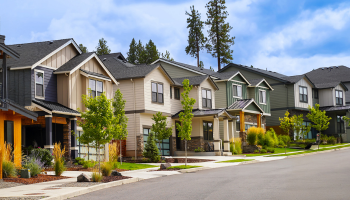
They consider things like:
- How prone your area is to wildfires, windstorms, hail, or other severe weather
- Whether you’re in or near a flood zone or high?risk brush or fire area
- Local crime rates, especially theft and vandalism
- How close you are to fire stations and reliable water sources
If building material and labor costs have gone up where you live—which has been common in many parts of California—your homeowners insurance rates may rise as well. That’s because it would cost more to rebuild your home after a covered loss, so the insurer’s potential payout is higher.
Your Home’s Features and Condition
The home itself is another major factor. Older homes can be more expensive to insure if they have outdated wiring, plumbing, or roofing that’s more likely to fail. Larger homes usually cost more to rebuild and therefore more to insure.
Insurers also look at features that may increase risk on your property. Examples include:
- Swimming pools, hot tubs, or large backyard play sets
- Trampolines or treehouses
- Extensive wood decks or structures close to brush or open space
These can increase the chance of injury or property damage, which may drive liability and property claims. Recent renovations, additions, or upgrades may also change the amount of coverage you need; if your insurer isn’t aware of them yet, it’s important to update your policy so your limits keep pace with your home’s value.
Pets and Liability Risk
Animals are part of the family, and most insurers understand that. At the same time, they have to consider the potential cost of dog?bite or animal?related liability claims when setting your homeowners insurance rate.

Factors that may affect pricing include:
- Whether you have a dog and, in some cases, the dog’s breed or history
- Prior bite or aggression incidents, if any
- The presence of certain exotic or “non?traditional” pets
Some insurers have stricter rules than others, and each company’s approach is different. If you have pets, it’s important to be transparent when you apply for coverage and to ask how your animals may affect your liability protection and premium. That way there are no surprises at claim time.
Coverage Limits, Deductibles, and Choices You Control
Not every factor is outside your control. Some of the biggest levers on your premium are the coverage decisions you make.
Higher coverage limits typically cost more, because the insurer is promising to pay more if there’s a covered loss. For example, a policy with $150,000 in liability coverage will usually be cheaper than one with $300,000. The same holds true for dwelling and personal property limits. While it may be tempting to reduce coverage to save money, it’s important not to leave yourself underinsured.
Your deductible also matters. Choosing a lower deductible means the insurance company pays sooner and more often, so your premium is higher. Opting for a higher deductible can bring your homeowners insurance rate down, as long as it’s still an amount you could realistically afford if you had a claim.
Other coverage decisions—such as adding endorsements, raising special limits for valuables, or choosing replacement cost vs. actual cash value for personal property—can also move your premium up or down. The key is to balance cost with the level of protection you’d want after a serious loss.
Shopping Around for the Right Fit
Even when you can’t change your location or home features, you still have options. Different insurers weigh risk factors differently, which is why two companies can offer very different prices for similar coverage on the same house.
Comparing quotes lets you:
- See how your coverage and deductible choices affect price
- Check whether you qualify for discounts (for things like alarms, newer roofs, or bundling with auto insurance)
- Find a company that understands your risk profile and offers a fair rate for it
Homeowners insurance exists to protect your home, your family, and your financial future from events that could otherwise be devastating. While you can’t control every factor that affects what you pay, you can make informed choices about your coverage and carrier. If you’d like help reviewing your current policy or exploring ways to manage your premiums, call AIS Insurance at (888) 772-4247 for a personalized homeowners insurance quote and coverage review.
The information in this article is obtained from various sources and offered for educational purposes only. Furthermore, it should not replace the advice of a qualified professional. The definitions, terms, and coverage in a given policy may be different than those suggested here. No warranty or appropriateness for a specific purpose is expressed or implied.