












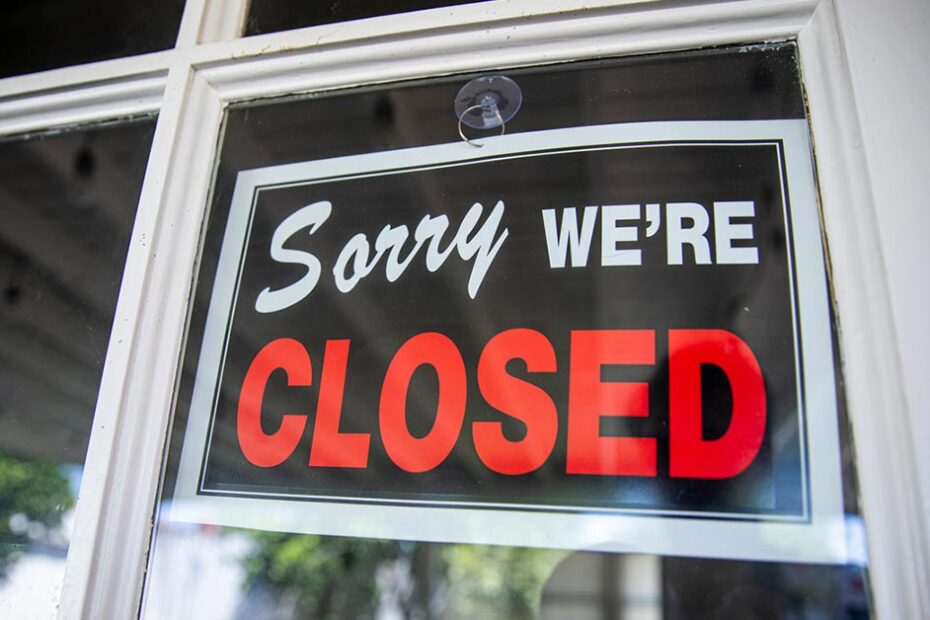
A fire, severe storm, or burst pipe can shut your business down overnight. While commercial property insurance pays to repair physical damage, it won’t replace the income you lose while your doors are closed. That’s where business interruption insurance steps in. In this quick guide, we’ll break down what business interruption insurance covers, what it excludes, and how to make sure your revenue is protected during an unexpected shutdown.
What Is Business Interruption Insurance?
Business interruption insurance, also called business income insurance, replaces lost income when a covered event forces your business to pause or scale back operations. It’s typically added to a Business Owners Policy (BOP) or included as an endorsement on your commercial property policy. While commercial property insurance handles physical damage like rebuilding walls or replacing ruined equipment, business interruption coverage pays for the money you stop making while those repairs are underway.
What Does Business Interruption Insurance Cover?
During a temporary shutdown, a standard policy helps cover:

- Lost Net Income: Replaces the profits your business would have earned during the downtime, based on your historical financial records.
- Ongoing Operating Expenses: Pays fixed costs that don’t stop just because you’re closed, including rent, taxes, and utility bills.
- Payroll: Helps you keep paying key staff, so you don’t lose trained employees while closed.
- Relocation Expenses: Pays for a temporary operating space while your main location is under repair.
- Extra Expenses: Covers reasonable, unexpected costs to speed up reopening or minimize downtime (like renting temporary equipment).
What Isn’t Covered?
Business interruption insurance only applies when the shutdown is caused by a covered peril under your property policy, such as a fire, windstorm, or vandalism. It generally excludes losses from:
- Floods and Earthquakes (requires a dedicated policy or endorsement)
- Pandemics and Communicable Diseases
- Losses from poor maintenance or normal wear and tear
- Income lost due to off-site utility outages (unless utility service interruption coverage is added)
How Are Payouts Calculated?
Most insurers use your financial records, like past profit and loss statements, to estimate what your business would have earned during the interruption period. This is why accurate bookkeeping matters. Coverage is typically subject to a restoration period and a waiting period before benefits begin.
- The Waiting Period: Act as your deductible. It’s the mandatory time frame (often 24 to 72 hours) between when damage occurs and when benefits begin.
- The Restoration Period: The maximum time span a policy will pay out benefits—typically 30 to 360 days.
A Real-World Example
Imagine a grease fire forces a popular diner to close for six weeks for repairs.

- The Waiting Period: The policy has a 48-hour waiting period, so benefits kick in on day three.
- The Calculation: The insurer checks the diner’s P&L statements from the previous year to determine that average weekly revenue was $15,000, with $4,000 in ongoing fixed expenses (rent, utilities, and core payroll).
- The Payout: For the remaining 5.5 weeks of the shutdown—well within their 180-day restoration period—the policy replaces that lost $15,000/week net income while directly covering the ongoing operational costs.
Without this policy, the diner owner would have to pay lease obligations and staff wages out of pocket for nearly two months with zero revenue coming in.
Does Your Business Need This Coverage?
Any business that depends on a physical location or specialized equipment to generate income should consider business interruption coverage. This includes restaurants, retail shops, contractors, and manufacturers. Even businesses that operate remotely can benefit if they rely on a physical office, warehouse, or equipment that could be damaged. The cost of adding this coverage is often small compared to the financial risk of an extended shutdown.
Get a Business Insurance Quote with AIS
A covered event is stressful enough without worrying about how to keep your business afloat during repairs. Business interruption insurance helps you stay financially steady until you’re back up and running. At AIS Insurance, we help business owners find coverage that matches their specific risks. Give us a call today, at (866) 570-7335, and let our specialists build a policy that keeps your business protected.
The information in this article is obtained from various sources and offered for educational purposes only. Furthermore, it should not replace the advice of a qualified professional. The definitions, terms, and coverage in a given policy may differ from those suggested here. No warranty or appropriateness for a specific purpose is expressed or implied.