Homeowners and renters insurance are both designed to protect your belongings from fire, theft, and other unexpected losses. What a lot of people don’t realize is that these policies place a dollar limit on certain valuables, including jewelry. Understanding jewelry insurance coverage now can save you from a painful surprise if you ever need to file a claim.
Standard Policy Limits Are Lower Than You’d Think
Most insurance companies cap coverage for special categories like jewelry, fine art, and a few other valuables. These limits vary by insurer and policy, but they’re often in the range of $1,000 to $2,500 for jewelry specifically, and typically apply to theft rather than every type of loss. Renters policies sometimes carry even lower limits than homeowners policies.
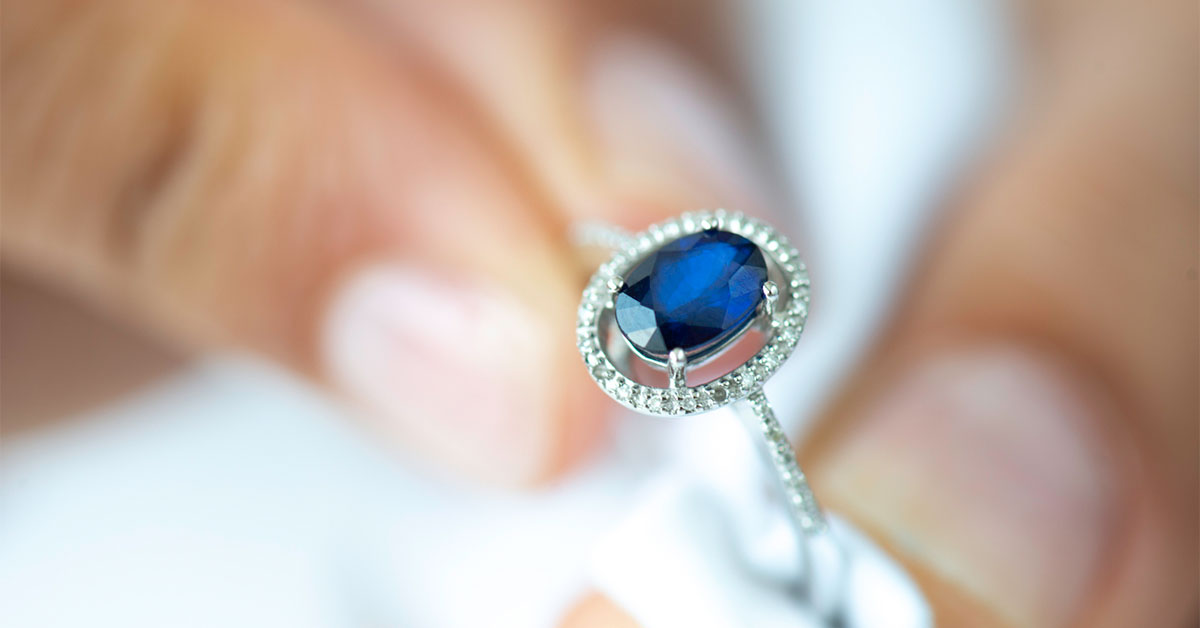
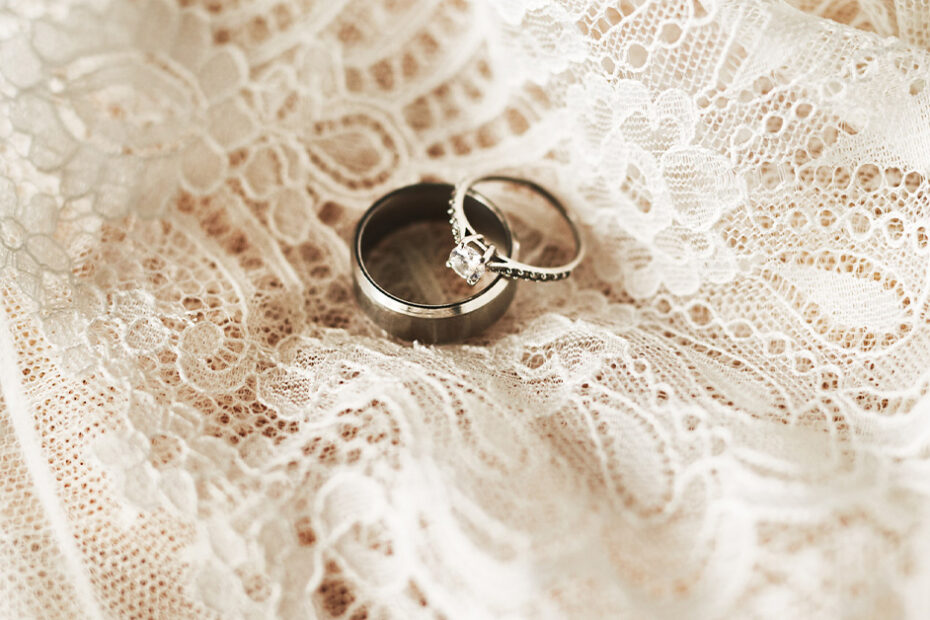
If you own valuable jewelry, that limit may fall short fast. A single engagement ring or wedding band can easily exceed these built-in limits on its own, let alone a broader collection. Without additional jewelry insurance coverage, you could be left covering a significant gap out of pocket after a loss.
Get Appraisals and Keep Good Records
Most insurers require a professional appraisal for any piece above a certain value before they’ll extend additional coverage. That threshold varies by company, so it’s worth asking directly. An appraisal gives you documented proof of your jewelry’s worth, which matters if you ever need to file a claim.
Beyond appraisals, keep a running inventory of your jewelry and other valuables. Save purchase receipts, and take clear photos of each piece for your records. Store this documentation somewhere secure, like a fire-resistant safe or a safe deposit box, so a fire or theft doesn’t destroy the very records you’d need to prove your loss. Cloud storage is a smart backup too, since digital copies stay accessible even if your physical records are damaged.
Add a Blanket or Scheduled Endorsement
If your standard policy limit isn’t enough, you have two main options for improving your jewelry insurance coverage.
A blanket endorsement extends broader protection across your entire jewelry collection without requiring you to itemize each individual piece. You’ll need to know the total value you want covered, but not the specific value of every item. This tends to work well if you own several pieces of moderate value.
A scheduled endorsement works differently. It insures specific, individually appraised pieces, which makes it a good fit if you have one or two higher-value items, like an engagement ring or an heirloom piece. It typically doesn’t add much to your premium, and it’s often worth the cost for the added peace of mind.
Many endorsements come without a deductible, but that’s not universal, so confirm this with your agent before you sign anything. It’s also worth asking whether your policy covers repairs for damaged jewelry, not just total loss or theft, since a cracked stone or a broken clasp can also add up in the wrong day.
Making sure your jewelry insurance coverage actually matches what you own is one of the easiest ways to avoid a bad surprise later. A quick appraisal, a bit of documentation, and the right endorsement can mean the difference between a fully covered loss and a painful out-of-pocket expense.
Ready to find out if your jewelry is properly protected? Give an AIS Insurance Specialist a call at (888) 772-4247 for a free, personalized quote, and get the jewelry insurance coverage that actually fits what you own.
The information in this article is obtained from various sources and offered for educational purposes only. Furthermore, it should not replace the advice of a qualified professional. The definitions, terms, and coverage in a given policy may be different than those suggested here. No warranty or appropriateness for a specific purpose is expressed or implied.