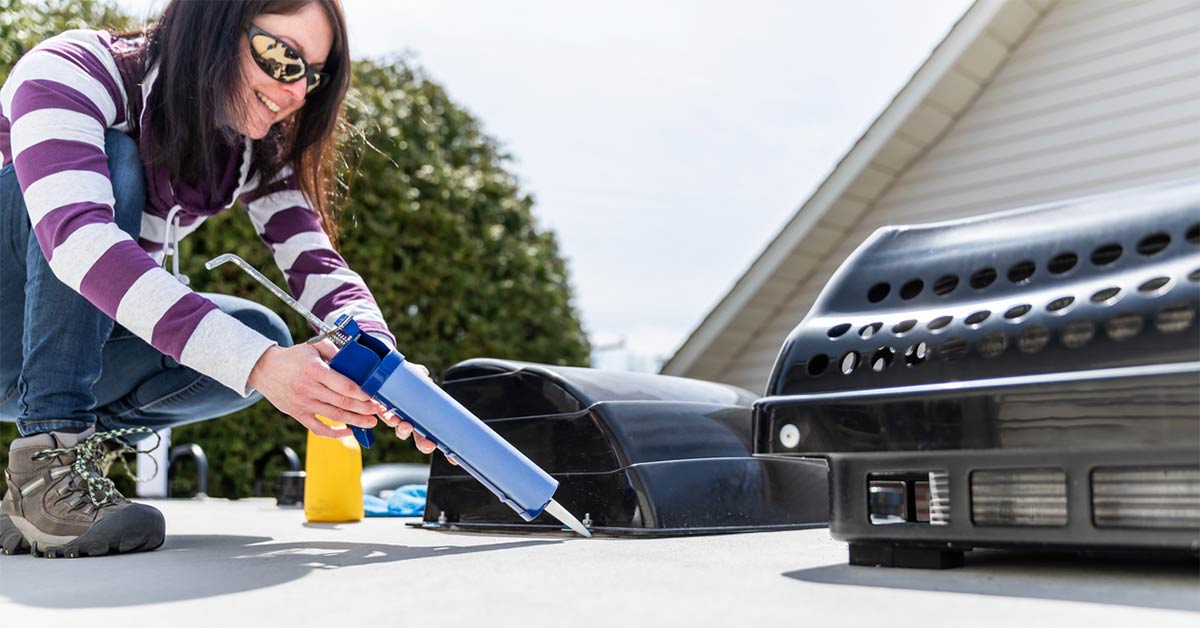
Summer means it’s time to roll the RV out of storage and hit the road for camping trips, concerts, and family adventures. Before you go, it’s worth making sure your RV insurance is actually set up to protect you. Here are the basics every RV owner should know.
Why Auto Insurance Alone Isn’t Enough
A standard auto policy typically isn’t built for a recreational vehicle, especially a motorized one. RV insurance needs to cover both driving risks and property risks, since your RV isn’t just a vehicle. It’s also where you eat, sleep, and store your belongings while you travel.
That distinction matters more depending on what type of RV you own. Motorhomes, like Class A, B, and C models, are driven directly on the road, so they need their own dedicated policy similar to auto insurance, combined with coverage for the living space inside. Towable RVs, like travel trailers and fifth wheels, are usually covered for liability under the insurance on the vehicle towing them. Even so, physical damage coverage for the trailer itself and its contents is usually a separate, optional policy worth adding, especially if you’ve financed it.
Because RV insurance blends auto-style and homeowners-style protection, it typically covers things a standard auto policy wouldn’t touch: your RV’s furniture, appliances, and personal belongings inside. Making sure your RV is insured for how you actually use it, whether that’s occasional weekend trips or months of full-time travel, is one of the most important steps in getting the right policy.
Why RV Insurance Matters
Beyond protecting your investment, insurance requirements for RVs generally mirror auto insurance law. If your RV is motorized, most states require at least liability coverage to legally drive it, just like any other vehicle on the road. Towable RVs are usually covered under your tow vehicle’s liability policy, so a separate liability policy typically isn’t required, though it’s still worth confirming your specific state’s rules.
Even if you’re technically covered under your tow vehicle for liability, that doesn’t mean your trailer and everything inside it are protected if it’s damaged, stolen, or totaled. A quick conversation with a specialist can clarify exactly where your coverage gaps might be before you find out about them the hard way.
Choosing the Right Coverage for Your RV
When picking out an RV, it’s easy to focus on size and style first. But the cost of insuring it properly deserves just as much thought before you buy. A larger motorhome with a lot of built-in amenities will generally cost more to insure than a smaller travel trailer, so it’s worth factoring that into your budget from the start.
A little research goes a long way here. Coverage options can vary quite a bit between insurers, and not every policy accounts for how you actually use your RV. Whether you’re storing it most of the year or living in it seasonally, it’s worth working with a specialist who can match your policy to your actual travel habits.
Bundling your RV insurance with your other policies is also worth asking about. Combining coverage through one company can often lower your overall premium, which adds up over time.
Getting your RV summer-ready is about more than checking the tires and topping off the propane. Making sure your RV insurance actually matches how you use your vehicle is just as important before you hit the road. A quick review now can save you a lot of stress if something goes wrong out on your trip.
Before your next adventure, give an AIS Insurance Specialist a call at (888) 772-4247 for a free, personalized quote, and make sure your RV is properly covered for wherever the road takes you.
The information in this article is obtained from various sources and offered for educational purposes only. Furthermore, it should not replace the advice of a qualified professional. The definitions, terms, and coverage in a given policy may be different than those suggested here. No warranty or appropriateness for a specific purpose is expressed or implied.