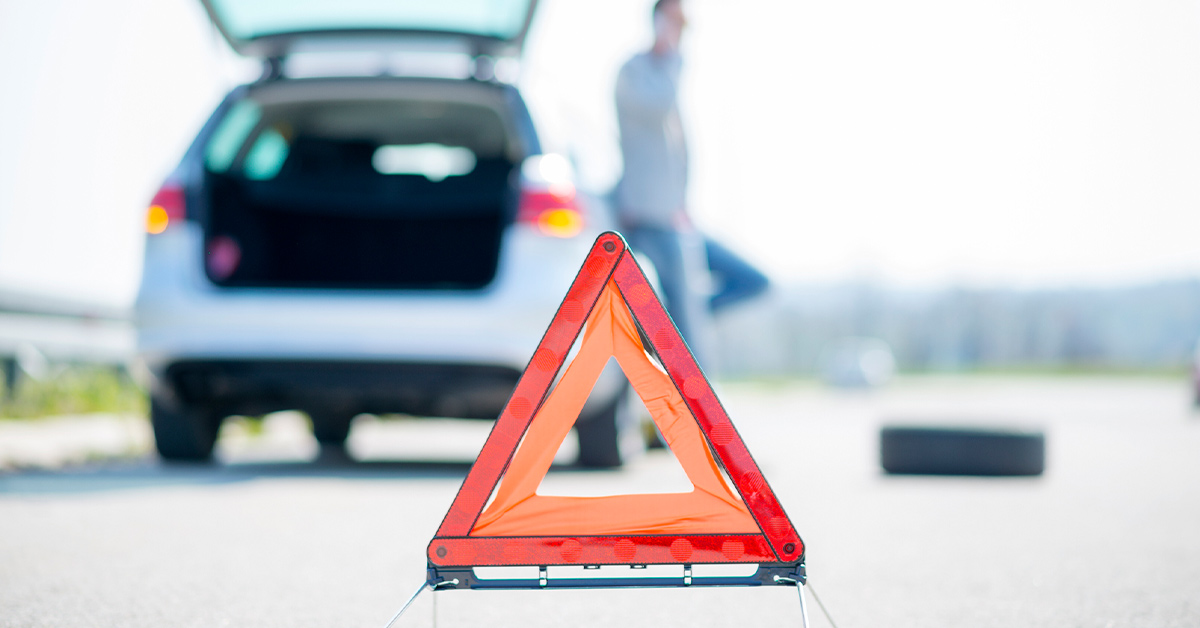
Having your car towed is stressful and expensive, but knowing your towing rights makes the situation much easier to handle. Rules vary from state to state and even city to city, so it’s worth learning what applies where you live. These basic steps can help you sort out the immediate problem and any disputes that come up afterward.
Check the Signage and Gather Evidence
Most jurisdictions require any tow-away zone to be marked with a clearly visible, weatherproof sign before a vehicle can legally be towed from private property. Signs typically need to state that parking is prohibited, note that vehicles will be removed at the owner’s expense, and list contact information for the towing company. If your local rules don’t require a sign, look up what standard does apply in your area.
Before you do anything else, take pictures of where your car was parked, along with any nearby signage, or the lack of it. This evidence can help you figure out whether your car was towed legally and whether it makes more sense to simply pay the fee or dispute it.
Getting Your Car and Belongings Back
Look for a phone number on the posted sign. If there isn’t one, call your local police department’s non-emergency line to find out where your car was taken. Stay polite throughout this process, even if you plan to dispute the charges later. Being difficult now can make things harder down the road.
In most places, you’re entitled to an itemized invoice before paying any fees, and you generally have the right to retrieve personal belongings from the vehicle at no charge, even if you can’t yet afford to pay to get the car itself released. If a lot refuses you access to your things, that’s worth noting for any dispute or hearing later.
Exercise Your Right to a Tow Hearing
Most jurisdictions also give you the right to request a hearing to dispute a tow, usually within a set number of days after the vehicle was removed. At the hearing, you can present your evidence and make your case to a hearing officer or judge, who will decide whether the tow was legal. If it wasn’t, you may be entitled to a refund of your towing and storage fees.
Because these towing rights vary so much by location, it’s worth confirming your local rules and deadlines as soon as possible after a tow, since missing a filing window can cost you the chance to dispute the charge at all.
If you have questions about the towing laws that apply in your area, an attorney who handles automotive issues can help you understand your options. Your insurance agent may also have useful guidance, especially if your policy includes towing coverage. If something about your tow doesn’t add up, it’s often worth the time and expense of getting professional help to sort it out.
Review Your Roadside Coverage
Understanding your towing rights won’t prevent every bad situation, but it puts you in a much stronger position if one happens. Knowing what to check, what to ask for, and when to push back can save you money and a lot of frustration. And if you want extra peace of mind on the road, roadside assistance and towing coverage can often be added to your auto insurance policy for a small cost. Give an AIS Insurance Specialist a call at (888) 772-4247 to see what coverage options make sense for you.
The information in this article is obtained from various sources and offered for educational purposes only. Furthermore, it should not replace the advice of a qualified professional. The definitions, terms, and coverage in a given policy may be different than those suggested here. No warranty or appropriateness for a specific purpose is expressed or implied.