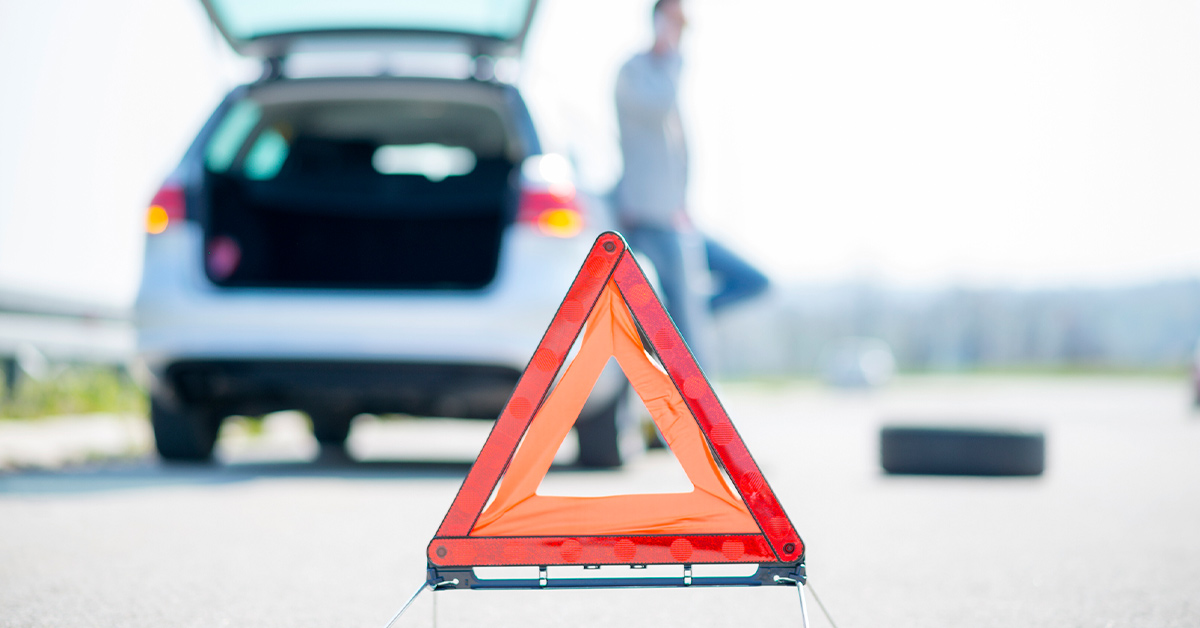











Getting stranded on the side of the road is stressful and expensive if you’re unprepared. Roadside assistance coverage is a low-cost add-on to your auto insurance policy that can save you from a surprise towing bill or a long wait with no help in sight. Before you add it to your policy (or skip it), it helps to know exactly what you’re getting. Here’s a clear breakdown of what roadside assistance coverage typically includes, where it falls short, and how to decide if it’s worth it for you.
What Roadside Assistance Coverage Usually Includes
Most plans cover a core set of services when your vehicle breaks down unexpectedly. These commonly include:
- Towing to a nearby repair shop (up to a mileage or dollar limit)
- Jump-starts for a dead battery
- Flat tire changes using your spare
- Lockout service when you’re locked out of your car
- Fuel delivery when you run out of gas (you typically pay for the fuel itself)
- Winch service to pull you out of a ditch or off soft ground
These services are designed to get you moving again or safely to a mechanic without paying out of pocket in a stressful moment. The monthly cost is usually just a few dollars, which makes it appealing for most drivers.
Common Limits of Roadside Assistance Coverage
This is where many drivers get surprised. Roadside assistance coverage has boundaries, and knowing them upfront prevents frustration later. Towing distance is the most common limit. Basic plans may only cover a five-mile tow while Premium plans can cover up to 100 miles. If your preferred mechanic is farther away, you may pay the difference yourself.
The coverage also won’t pay for your actual repairs. It gets you to the shop, what happens after that is on you or your other coverage. Rental cars are usually not included either. If your car needs several days of work, you’ll typically need separate rental reimbursement coverage for that. Most plans also cap the number of service calls per year. Use the service too frequently, and you may hit that limit before your policy renews.
Comparing Where to Get Roadside Coverage
Roadside assistance can come from several sources:
- Manufacturer program (common on newer cars)
- Auto club membership (often stronger towing limits and travel perks)
- Insurance policy add-on (usually low-cost and simple)
- Credit card benefits (varies widely; sometimes it’s a referral service, not paid coverage)
Before adding it to your insurance policy, check what you already have. Paying twice for the same benefit is a common and easy-to-avoid mistake. Compare towing mileage limits, annual call caps, and rural availability — those three factors matter most in a real emergency.
One practical tip: Save your roadside dispatch number in your phone now. When you’re stranded at night or in an unfamiliar area, the last thing you want is to search through your glove box for a policy number.
Is Roadside Assistance Coverage Worth It for You?
For most drivers, the answer is yes, especially if you don’t already have it through a warranty or auto club. The cost is low, the peace of mind is real, and one tow alone often costs more than a full year of coverage. For help comparing options and building coverage that fits your driving habits, call AIS Insurance at (888) 772-4247 for a personalized quote.
The information in this article is obtained from various sources and offered for educational purposes only. Furthermore, it should not replace the advice of a qualified professional. The definitions, terms, and coverage in a given policy may be different than those suggested here. No warranty or appropriateness for a specific purpose is expressed or implied.