










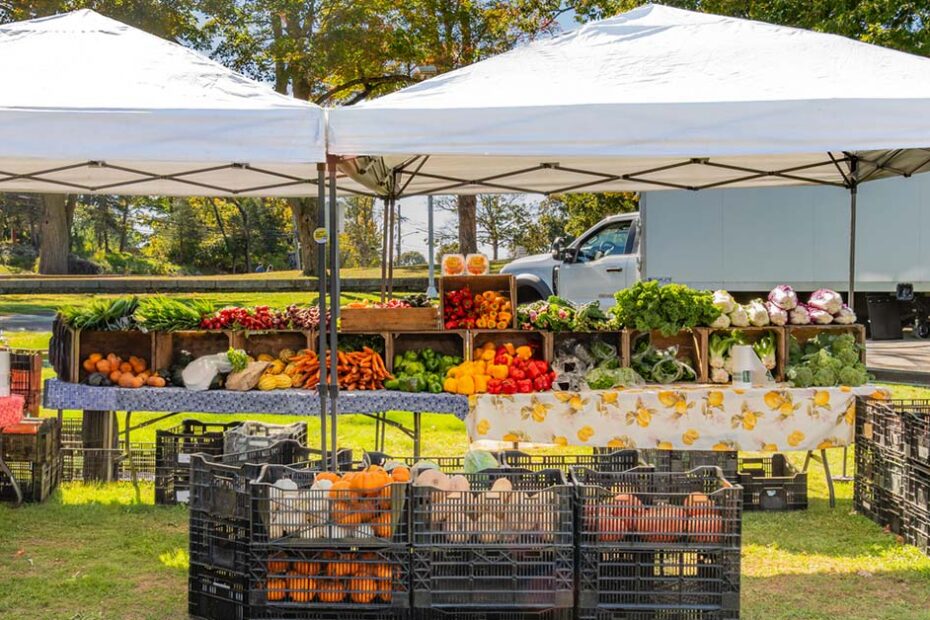
Setting up at a craft fair, food truck park, or weekend market means working on someone else’s turf. If a customer gets hurt at your booth, the host, landlord, or city can get dragged into a lawsuit, which is why most events won’t let you unpack without proof of insurance. Having the right coverage makes getting approved a lot easier and keeps a single accident from wiping out your business earnings. Learn the most common types of vendor insurance, what they cover, and why organizers require it.
Why Event Organizers Require Vendor Certificate of Insurance (COIs)
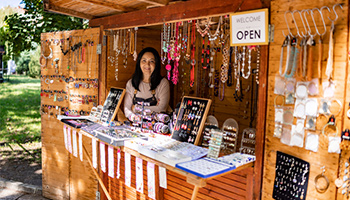
A Certificate of Insurance (COI) is a standard one-page summary from your insurer proving you have active business coverage. Organizers require a COI to confirm your liability policy will respond if a shopper is injured at your booth, preventing the financial claim from falling solely on the venue. Vendor requirements vary by event, but applications commonly ask for:
- General liability limits, often $1 million per occurrence and $2 million aggregate
- The organizer, property owner, or city named as an additional insured
- Coverage dates that span every day of the event, including setup and teardown
What Kind of Liability Coverage Do Vendors Need?
1. General Liability: General liability is the baseline policy almost every venue requires. It covers claims if your business injures a visitor or damages someone else’s property, like a shopper tripping over your tent stake or a grill scorching the canopy next door. It helps pay for medical bills, lost wages, and property repairs, while also covering your legal defense and settlement costs if you’re sued.
2. Product Liability: Often bundled into general liability, product liability covers injuries or damage caused by items after customers buy them. For food vendors, this means protection against claims involving foodborne illness or undisclosed allergens. For craft vendors, it covers issues like a rash from homemade lotion or a fire caused by a defective candle. Keep in mind that some policies exclude high-risk items or set lower limits for product claims, so check with your policy.
Protecting Your Equipment, Inventory, and Vehicles
3. Inland Marine Insurance (Equipment Floater): Standard commercial property insurance (or a basic Business Owners Policy) only covers gear stored at your permanent address or workshop. Because vendors travel, you need Inland Marine insurance to protect equipment, inventory, displays, and tents while in transit or set up at temporary event sites. This coverage is usually added as an endorsement (or rider) to a Business Owners Policy (BOP) which is a cost-effective package that bundles general liability, property coverage, and business interruption into one policy.
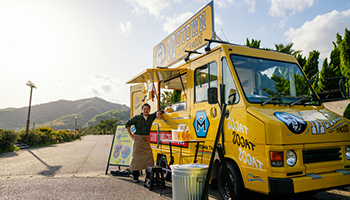
4. Commercial Auto: Personal auto insurance policies almost always exclude vehicles when they are used primarily for commercial tasks. Food trucks, concession trailers, and haulers transporting heavy event gear usually require a dedicated commercial auto policy. If you haul a trailer, it generally must be explicitly listed on the policy to cover physical damage. Additionally, internal appliances in a food truck, such as fryers, generators, and refrigeration units, may require specialized equipment breakdown or spoilage endorsements to help pay for repairs and lost food when cooling systems fail.
Additional Vendor Insurance Policies Based on How You Operate
5. Liquor Liability Insurance: Standard general liability policies exclude damages tied to alcohol consumption. If you serve or sell beer, wine, or spirits at an event, liquor liability insurance is mandatory. It covers claims arising from harm caused by an intoxicated patron you served, such as an alcohol-related auto accident.
6. Workers’ Compensation: Hiring even a single temporary helper or event assistant creates new legal requirements. Most states mandate workers’ compensation as soon as you hire staff, with premiums based on your payroll and job roles. It covers medical care and lost wages if a helper is injured on the job like suffering a kitchen burn or straining their back while unloading heavy gear.
7. Commercial Umbrella: A commercial umbrella policy provides extra coverage limits on top of your existing general liability and commercial auto policies. It kicks in when a major claim exhausts your primary coverage. Large festivals and high-profile venues often require limits well beyond the standard $1 million threshold, making an umbrella policy a cost-effective way to meet those strict event requirements.
Get the Right Business Coverage with AIS Insurance
Because every vendor operates differently, the ideal combination of insurance policies depends heavily on the events you attend, the items you sell, the value of your equipment, and whether you operate vehicles or hire staff. Before speaking with an insurance agent, gather a few key details to streamline the process:
- A list of your upcoming events along with their specific insurance requirement forms.
- An outline of what you sell alongside your estimated annual revenue.
- The total replacement value of your booth gear, displays, and typical inventory.
- Information regarding any business vehicles, trailers, or hired employees.
Our business insurance specialists at AIS Insurance can evaluate your current policy and compare quotes across multiple top-rated carriers. Call us today at (866) 609-7335 to get started.
The information in this article is obtained from various sources and offered for educational purposes only. Furthermore, it should not replace the advice of a qualified professional. The definitions, terms, and coverage in a given policy may differ from those suggested here. No warranty or appropriateness for a specific purpose is expressed or implied.