












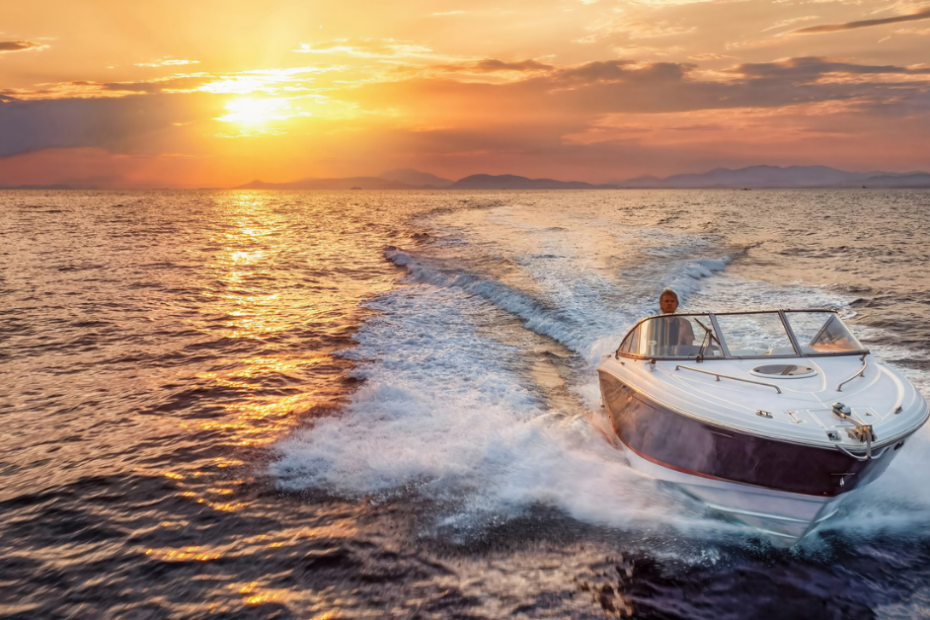
For many boaters, Memorial Day weekend is the unofficial start of boating season. The weather is warmer, marinas fill, and weekends quickly fill with lake days and fishing trips. It’s easy to focus on de-winterizing and prepping your gear, but it’s important that your boat and watercraft insurance gets the same attention.
Your home and auto insurance protect a lot, but they won’t be much help on the water. Understanding how a specialized boat insurance policy keeps your trips covered is essential to building a policy that’s right for you.
What Watercraft Insurance Actually Covers
At its core, watercraft insurance does two main jobs: it helps protect you from the cost of harming other people or property, and it helps protect the boat or personal watercraft itself.

Liability coverage is what provides protection if you accidentally injure someone or damage another boat, dock or marina property. It is the on-water counterpart to auto liability: instead of a fender-bender, think of a misjudged approach to a crowded fuel dock.
Coverage for damage to your own boat is split into two parts: collision, which covers damage from hitting another vessel, submerged objects or a pier, and comprehensive, which is designed for non-collision events like theft, vandalism or fire. For higher-value boats, policy options such as total loss replacement or agreed value can keep depreciation from becoming an unpleasant surprise after a major loss.
There are a few add-on options to consider before heading out on the water:
- Salvage and wreck removal: helps pay to recover, raise or dispose of your boat after a covered loss if it’s sunk, stranded or disabled.
- On-water towing: covers the cost to tow your disabled boat back to shore or to a repair facility when you break down on the water.
- Consequential damage coverage: can extend protection to certain indirect losses that follow a covered event—such as fire, sinking or collision damage that occurs after an initial incident—when included in your policy.
Although these situations may be unpleasant to think about, including these additional coverages can help reduce stress in an unexpected accident.
Different Watercraft, Different Insurance Needs
Not every vessel rides—or insures—the same way. The policy that works for a family pontoon isn’t identical to what a pair of jet skis may need.
Runabouts, bowriders and pontoons are classic family-day boats that usually tow tubes, anchor at the sandbar or shuttle friends across the lake. Because these types of boats often carry multiple passengers and rotate drivers, it’s important that liability and medical payments limits keep pace with how many people you have on board and who is actually operating the boat.
Fishing boats bring in another element: electronics and other specialized gear. This equipment can represent a large portion of your boat’s overall value, and it’s easy to quickly outgrow your original policy limit as you upgrade over time. Additionally, if you ever plan to accept money for a guided trip, it’s critical to confirm how business-use exclusions may affect your coverage.
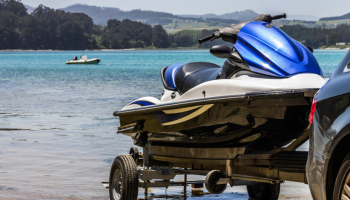
Personal watercraft (PWCs) and jet skis sit in a category of their own. These vessels accelerate quickly, riders often operate them near other craft, and younger or inexperienced riders frequently choose them. A dedicated personal watercraft insurance policy will look closely at usage and help ensure you have appropriate liability coverage in the event of an accident.
You may want to discuss coverage with an insurer even for smaller craft—like kayaks or small sailboats—especially if their total value is high or you store them where theft or damage risk is higher. That’s because a dedicated watercraft policy offers most protection than a standard homeowners policy alone.
Launching into the Season: A Quick Checklist Before Getting on the Water
Before getting on the water, it’s smart to run a quick watercraft insurance review alongside your mechanical checklist.
Start with your policy’s declarations page and look at the basics: liability limits, hull value and deductibles. Confirm that your navigation area still matches how and where you’ll use the boat this season. If your boating habits have changed, make a note to discuss that with your insurer.
People and usage matter just as much as the boat itself. Think about who will realistically be at the helm or on the controls. Many families assume that they have coverage if they let a relative or friend drive “just this once.” However, policies can vary significantly in how they handle permissive drivers or guest riders.
Then look at your equipment and any new upgrades. If you’ve added electronics, towers or additional power since last season, your original value might not reflect the true investment. Updating your boat’s stated or agreed value can help keep coverage aligned with its current worth, not past price.
As you wrap this review, a quick checklist can help confirm that:
- Your limits, deductibles and navigation area still fit your plans.
- You list all regular operators and higher-risk uses appropriately.
- Major gear and upgrades are reflected in your current boat or personal watercraft insurance policy.
How AIS Can Help Boat and Watercraft Owners Get Ready
Before your boating season kicks off, it’s worth a short pause to make sure your watercraft insurance keeps pace with how you actually spend time on the water. A quick AIS Insurance Specialist review now gives you peace of mind all season long—so when you finally untie the lines, you can focus only on where you’re going next.
At AIS, we help boaters compare boat insurance and watercraft insurance options from multiple top-rated insurance companies and can answer common questions about coverage on the water. If you want help reviewing your options or finding protection that fits your needs and budget, our Insurance Specialists are here to help. Give us a call at (888) 772-4247 or start a boat and watercraft insurance quote online today.
The information in this article is obtained from various sources and is offered for educational purposes. Furthermore, it should not replace manuals or instructions provided by the manufacturer or the advice of a qualified professional. No warranty or appropriateness for a specific purpose is expressed or implied.