











A standard auto policy isn’t built to protect a motor home the way it needs to be protected. That’s because RV insurance has to cover both a vehicle and a place where you live, sleep, and travel. Whether you own a small camper van or a full-size motor home, understanding how RV insurance works can save you from major gaps in coverage down the road.
Why Auto Insurance Alone Falls Short
Most standard auto policies are built to cover vehicles, not living spaces. An RV is both, which is why it typically needs its own specialized policy. Your standard auto carrier may be able to cover a rented RV for a short trip, but an owned motor home usually needs protection through a company that specializes in RV coverage.
Think of an RV policy as a blend of auto insurance and homeowners insurance. It typically protects the vehicle itself, like your car insurance would, while also covering the belongings and living space inside, similar to a homeowners policy. Insuring your RV for how you actually use it, whether that’s occasional weekend trips or full-time living, matters more than most owners realize.
What RV Insurance Coverage Can Include
Specialized RV insurance coverage often includes several features you won’t find on a typical auto policy. Depending on your provider and how you use your RV, your policy may include:
- Total loss replacement, which can pay for a new RV rather than the depreciated value of your old one
- Agreed value coverage, which locks in a set payout amount ahead of time
- Full-timer coverage, for owners who live in their RV year-round
- Personal contents coverage, protecting belongings inside the RV
- Disappearing deductible coverage, which may reduce your deductible over time with a clean claims history
- Emergency travel expenses and vacation liability protection
- 24-hour roadside assistance for breakdowns on the road
Not every RV owner needs every feature on this list. A weekend camper and a full-time RV resident typically have very different coverage needs, so it’s worth reviewing which options actually make sense for how you travel.
Planning an International RV Trip
If your travels take you across the border into Canada or Mexico, your current RV insurance policy may not follow you. Coverage requirements and recognition of U.S. policies vary by country, so it’s worth checking with AIS before you leave to confirm you’re protected against damage or theft while abroad.
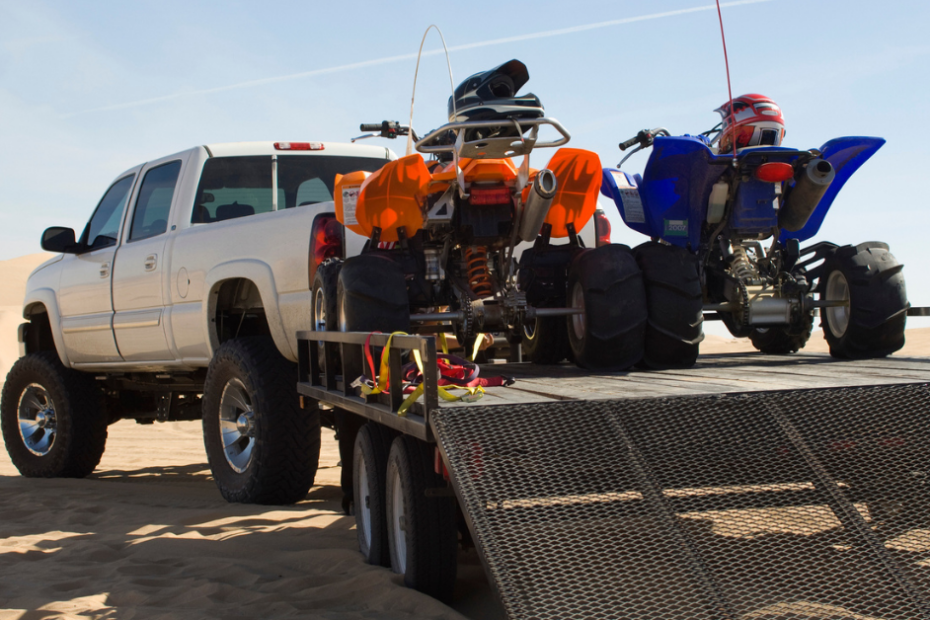
It’s also worth mentioning if you’re towing a vehicle or trailer behind your RV. In many cases, that tow vehicle or trailer can be added directly to your RV policy, which is often simpler than managing separate coverage for each.
Get the Right Protection for Your RV
RV insurance isn’t a one-size-fits-all product, and treating it like a standard auto policy can leave real gaps in your coverage. Whether you hit the road a few weekends a year or live in your RV full-time, having the right combination of auto and property protection matters. AIS Insurance can help you build an RV insurance policy that actually fits how you use your motor home. Call us today at (888) 772-4247 for a free quote.
The information in this article is obtained from various sources and offered for educational purposes only. Furthermore, it should not replace the advice of a qualified professional. The definitions, terms, and coverage in a given policy may be different than those suggested here. No warranty or appropriateness for a specific purpose is expressed or implied.