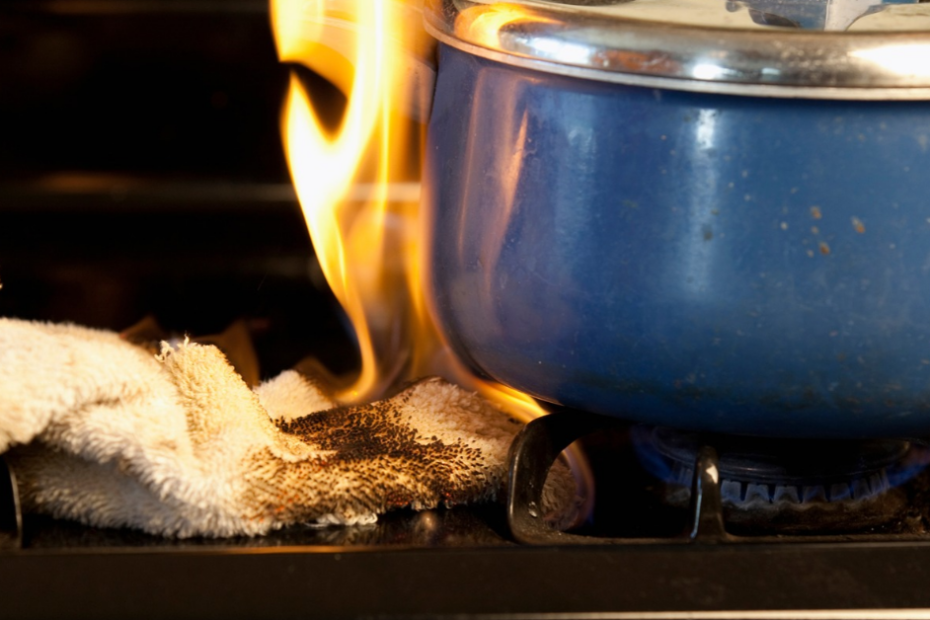
Thanksgiving is clearly spent best with a full house, but it’s also the peak day for home cooking fires, with more than three times the daily average. In fact, the National Fire Protection Association (NFPA) estimates 1,139 home kitchen fires were reported to U.S. fire departments on Thanksgiving Day in 2024, and unattended cooking was by far the leading contributing factor.
With guests, extra dishes, and plenty of chatting pulling you away from the stove, it’s easy to see how it happens. Thankfully, a little prep goes a long way. Here’s how to lower the risk, and what your homeowners insurance may do if something still goes wrong.
Why Is Thanksgiving So Risky in the Kitchen?
Most kitchen fires are typically a result of either being distracted or excess crowding. Several dishes are cooking at once and the oven runs for hours with people wandering in and out to see what’s cooking. It’s clear to see why kitchen fires can be so common around the holiday season.
NFPA’s top advice is to stay in the kitchen while you’re cooking on the stovetop, and to stay home while the turkey is in the oven, checking on it often. Don’t forget to:
- Use a timer when you’re roasting the turkey or baking pies.
- Move anything that can burn away from the stove and turn pot handles toward the back and out of the way.
- Keep a large pan lid or baking sheet nearby to smother a pan fire.
Is Frying a Turkey Worth the Risk?
Even though it is doable, frying a turkey is no task that should be taken lightly. Plus, we’ve all seen those videos of what can happen when it goes wrong. If you do decide to fry a turkey this season, it’s crucial that you follow all available safety tips and fry a turkey outside of your home. If you do fry one, the U.S Fire Administration recommends you do so outdoors on a flat surface, ensure your turkey is fully thawed, and to consider using an electric or air fryer if possible.
Are Your Smoke Alarms Ready for Guests?
Always double check that your smoke alarms are working properly before hosting a big dinner. The USFA recommends testing smoke alarms monthly, replacing the whole alarm every 10 years, and having alarms on every level and inside and outside each bedroom. If one goes off while you’re cooking, don’t pull the battery. Open a window or door and press the hush button instead.
For hosting in general, NFPA suggests keeping floors clear so no one trips and making sure cords aren’t dangling off the counter. It’s also worth keeping a fire extinguisher near the kitchen and making sure your helpers know where it is.
What Does Homeowners Insurance Cover If Something Goes Wrong?
Most standard homeowners policies cover fire damage, and a few parts of your policy may come into play:
- Dwelling and personal property coverage help repair your home’s structure and replace belongings like furniture and electronics.
- Additional living expenses coverage can help with temporary housing and meals if you can’t stay home during repairs. Always be sure to keep your receipts.
- Personal liability coverage may help with a guest’s medical bills and legal costs if you’re held legally responsible for an injury. Many policies carry a minimum limit of $100,000.
- Medical payments to others can help with a guest’s injury costs regardless of fault, typically between $1,000 and $5,000 per person.
Every policy has limits and a deductible. If a claim is close to or below your deductible, you may receive little to no reimbursement, so it helps to know those numbers before anything happens.
Talk to an AIS Insurance Specialist
Thanksgiving should be about the food and the people, not wondering whether you’re covered if a guest slips or a dish goes up in flames. An AIS Insurance Specialist can walk you through what your homeowners policy includes, how your deductible and liability limits work, and whether it’s time to adjust your coverage before the holidays. Call (888) 772-4247 or visit AIS Insurance to review your options.
The information in this article is obtained from various sources and offered for educational purposes only. It should not replace the advice of a qualified professional. The definitions, terms, and coverage in a given policy may be different than those suggested here. No warranty or appropriateness for a specific purpose is expressed or implied.