











One of the hardest lessons people learn in hurricane season is that you can’t wait until a storm is on the radar to buy coverage. Once a hurricane or major storm is approaching, insurers often stop writing new policies or making major changes, and separate flood insurance typically has a 30?day waiting period. The time to think about hurricane insurance preparedness is long before the wind picks up.
Secure Your Coverage and Home Ahead of Time
Start by confirming that your home meets local building and hurricane code requirements. If you live in a hurricane?prone area, that may include stronger roofing, wind?rated garage doors, and approved shutters or panels. Keep on hand the materials you’d need to board up windows and doors—such as plywood, steel, or aluminum panels—before a storm is forecast.
Next, review your homeowners policy with an insurance specialist. Make sure:
- Your dwelling limit is high enough to rebuild at today’s construction costs.
- Your personal property and loss?of?use limits are adequate.
- Your vehicles—cars, boats, RVs—have comprehensive coverage for things like wind, hail, and falling debris.
Remember that standard homeowners policies do not cover flooding from storm surge or rising water. If you’re in or near a flood?prone area, ask about a separate flood policy, and factor in that typical 30?day waiting period.
Have a Family Communication and Evacuation Plan
During a major storm, family members may not all be in the same place, and cell service can fail. As part of your hurricane insurance preparedness, make a simple plan everyone understands:
- Choose an out?of?area contact person and make sure each family member has their name and number written down, not just stored in a phone.
- Pick two meeting spots: one near home and another farther away in case you’re ordered to evacuate.
- Talk through how you’ll get there if roads are closed or public transit stops.
If you plan to shelter at home, think through what you’ll do if you’re without power, water, gas, or phone service for several days.
Build a Basic Hurricane Supply Kit
A well?stocked kit helps you stay safer and more comfortable if you’re stuck at home or need to leave quickly. Essentials include:
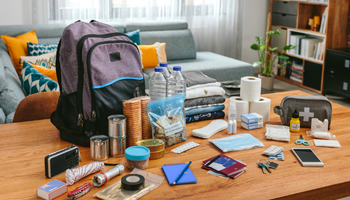
- Non?perishable food and at least one gallon of water per person per day (for at least three days)
- Food and water for pets
- A battery?powered or hand?crank NOAA weather radio
- Flashlights and extra batteries
- A first?aid kit and necessary prescription medications
- Garbage bags and moist towelettes for sanitation
- A manual can opener
- Fully charged power banks and phone chargers (solar, if available)
- Cash or travelers checks in small bills
- Important documents in a waterproof folder: insurance policies, IDs, passports, bank info
- Sleeping bags or warm blankets
If you have infants, older adults, or anyone with special medical needs, add items like diapers, formula, medical supplies, glasses or contact lenses, and any other daily essentials.
Before the Storm Arrives
As forecasts become more serious and watches or warnings are issued, take steps to harden your property and prepare to be without power:
- Bring inside or secure anything the wind can pick up—outdoor furniture, grills, bikes, yard décor.
- Close and lock windows and doors; install shutters or board them up, including the garage door if you don’t have a wind?rated model.
- Turn your refrigerator and freezer to the coldest settings so food stays safe longer if you lose power.
- Turn off propane and unplug non?essential appliances.
- Fill your car’s gas tank and, if safe, top off spare fuel for generators.
Have your disaster kit, important documents, and any valuables you plan to take with you packed and ready in case you need to leave quickly.
After the Hurricane Passes
Even when the worst of the wind is over, hazards remain. Keep monitoring local news and official updates: extended rainfall, flooding, and tornadoes are common after landfall. Only return home when authorities say it’s safe.
When you do:
- Avoid driving through flooded roads or over washed?out bridges.
- Stay away from downed or hanging power lines and report them immediately.
- Don’t enter buildings surrounded by water or with obvious structural damage.
- Use flashlights instead of candles, in case of gas leaks.
- Wait to drink tap water until officials confirm it’s safe.
Begin documenting damage as soon as it’s safe. Take photos and videos of the exterior and interior of your home, including damaged belongings. This will be important when you file an insurance claim. Clear gutters and drains if you can do so safely, to help prevent further water damage from lingering rain.
Prepare Now, Not When the Storm Is Named
No one wants to think about a hurricane making landfall, but advance planning makes a real difference. Securing your homeowners and flood coverage early, building a basic kit, and having a clear family plan are all key parts of hurricane insurance preparedness.
If you’re unsure whether your current homeowners policy is ready for storm season—or if you need help exploring flood insurance options—AIS can help. Our Insurance Specialists can review your coverage, explain what’s included (and what’s not) in plain language, and compare quotes from multiple carriers so you’re not caught off guard. To get started with a personalized homeowners or flood insurance quote, give us a call at (888) 772?4247.
The information in this article is obtained from various sources and offered for educational purposes only. Furthermore, it should not replace the advice of a qualified professional. The definitions, terms, and coverage in a given policy may be different than those suggested here. No warranty or appropriateness for a specific purpose is expressed or implied.