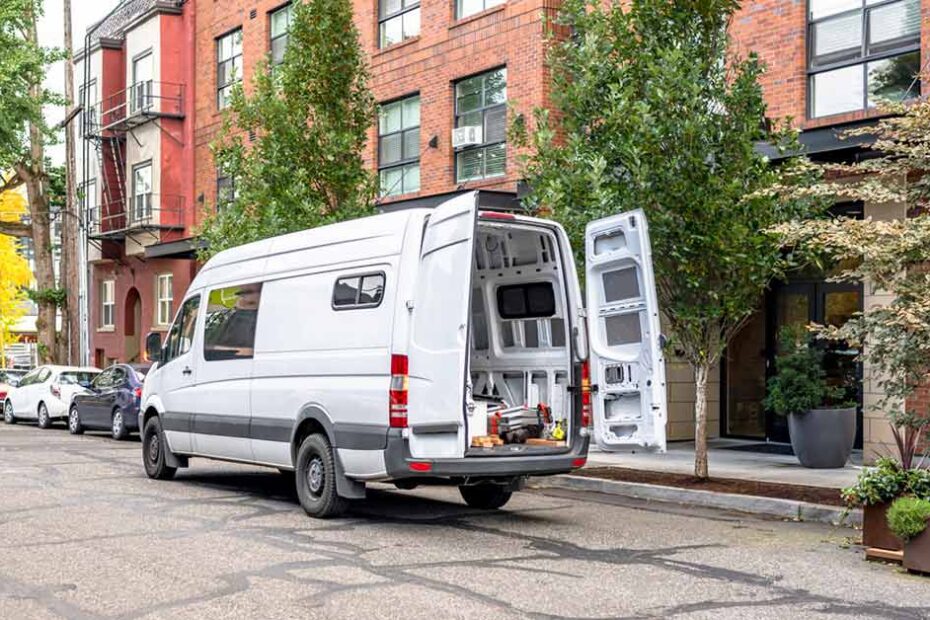












If you own a pickup truck larger than one ton, standard auto insurance likely won’t cut it. Medium duty truck insurance is built for vehicles like these, which cost more to operate, maintain, and repair than a typical passenger vehicle. Getting the right policy in place helps protect you, your truck, and everyone else on the road.
Why Standard Auto Policies Fall Short
Medium duty trucks are a different animal than the average car or light pickup. They’re heavier, often used for hauling or towing, and typically cost more to repair after an accident. A standard auto policy may not offer enough protection for a vehicle in this weight class.
These trucks can also be used in ways that blur the line between personal and business use, such as towing equipment or hauling trailers. That added risk usually needs to be reflected in your coverage. Without the right policy, you could end up underinsured if something goes wrong, leaving you responsible for costs your policy doesn’t cover.
What Medium Duty Truck Insurance Covers
Medium duty truck insurance is meant to fill the gap between personal auto policies and full commercial coverage. Because these trucks often sit in a gray area, it’s worth understanding what a well-rounded policy should typically include.
Liability coverage is the foundation, helping pay for injuries or property damage you cause in an accident. Given the size and weight of these trucks, damage caused in a collision can often be more severe, so higher liability limits are usually worth considering.
Physical damage coverage, including comprehensive and collision, helps protect the truck itself from accidents, theft, weather, or vandalism. If you finance or lease your truck, this coverage may be required.
If your truck is used for towing, hauling equipment, or occasional work purposes, ask about coverage that accounts for that use. Personal auto policies often exclude business-related activity entirely, which can leave a serious gap. Medical payments or personal injury protection, along with uninsured motorist coverage, round out a solid policy by helping cover injuries regardless of fault.
Ways to Lower Your Premium
Insurance costs for medium duty trucks can add up, but there are often ways to bring your premium down. Many providers offer discounts based on safety features, driving history, or memberships that suggest lower risk.
You may qualify for savings if your truck or driving history includes:
- Membership in an RV association
- Completion of a safe driving course
- Daytime running lamps (DRLs)
- Anti-lock brakes
- A theft deterrent system
Not every provider offers the same discounts, so it’s worth asking your agent which ones apply to your situation. Combining even a few of these can make a noticeable difference in your annual premium.
Finding the Right Policy for Your Medium Duty Truck
Because medium duty trucks vary so much in use and size, coverage needs can look different from one owner to the next. A truck used occasionally for personal hauling has different risks than one used regularly for work. That’s why it typically helps to work with an agent who can ask the right questions and match you with appropriate coverage.
When shopping for medium duty truck insurance, it’s worth comparing more than just price. Look at liability limits, coverage for towing or hauling, and how claims are handled. A slightly higher premium may be worth it if it means better protection when you actually need it.
Protecting Your Investment on the Road
A medium duty truck is a significant investment, and having the right insurance in place helps protect that investment for years to come. Taking time to find a policy tailored to your specific truck, rather than settling for generic coverage, can save you money and stress down the road. If you’re ready to find a policy built around your medium duty truck, contact AIS Insurance at (888) 772-4247 for a free quote today.
The information in this article is obtained from various sources and offered for educational purposes only. Furthermore, it should not replace the advice of a qualified professional. The definitions, terms, and coverage in a given policy may be different than those suggested here. No warranty or appropriateness for a specific purpose is expressed or implied.