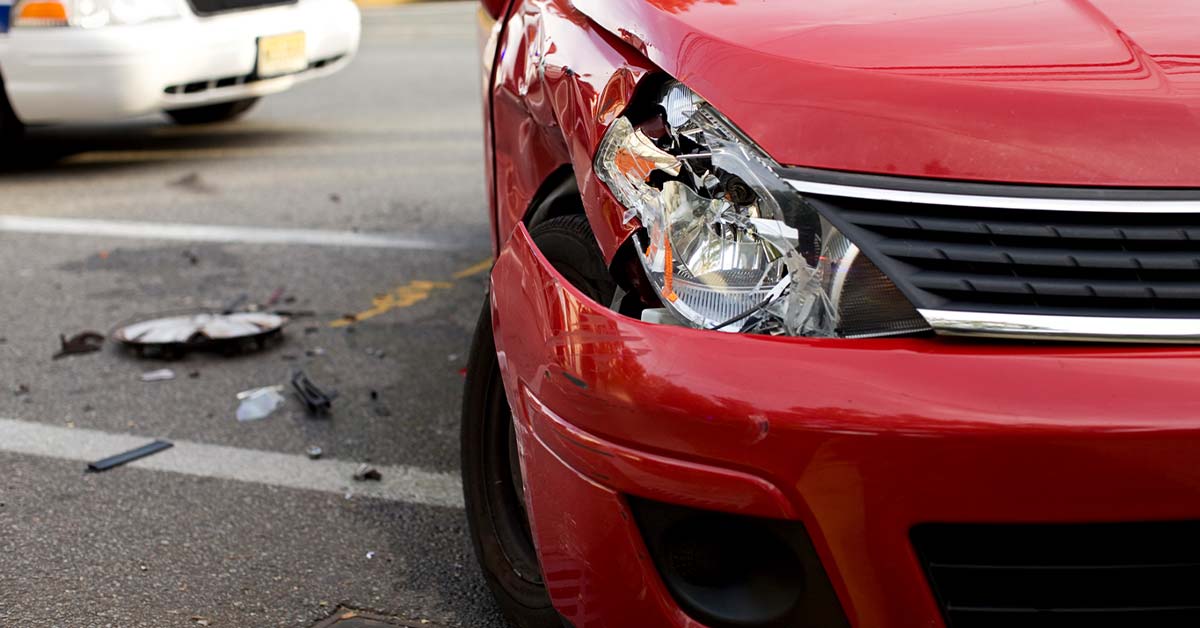












California law requires drivers to carry liability insurance, but not everyone follows the rules. Some drivers carry too little coverage. Others carry none at all. If one of them hits you, you could be left covering your own medical bills and repairs. That’s exactly why uninsured/underinsured motorist coverage exists, and why it’s worth understanding before you need it.
What Uninsured and Underinsured Coverage Actually Protects
Uninsured motorist coverage steps in when the driver who hits you has no insurance at all. It can help pay for your medical bills and lost wages from missed work. Underinsured motorist coverage works a bit differently. It applies when the at-fault driver has insurance, but not enough to cover your damages.
Bodily injury coverage under this policy typically has limits similar to your own liability coverage. It covers the gap between what the at-fault driver’s insurance pays and what your accident actually costs. Property damage coverage depends on whether you also carry comprehensive and collision coverage. If you do, your deductible is often waived when an uninsured driver is at fault. If you don’t, this coverage may pay toward repairs up to your policy limit, but in California that may be as low as $3500.
This coverage typically applies to hit-and-run accidents too, which matters more than most drivers realize since many uninsured drivers flee the scene.
California Rules for Uninsured and Underinsured Coverage
California requires insurance companies to offer uninsured and underinsured motorist coverage to every driver, though you can choose to reject it in writing. Before you do, it helps to know what you’d be giving up.
As of January 1, 2025, California’s minimum liability limits increased to 30/60/15. That means $30,000 in bodily injury coverage per person, $60,000 per accident, and $15,000 for property damage. That’s an improvement over the old limits, but a serious accident can still exceed those numbers quickly.
Under California law, buying uninsured motorist coverage automatically includes underinsured motorist coverage as well. You’re not choosing between the two. You’re deciding whether to add this protection at all, and for many drivers, it’s a relatively small cost for meaningful protection.
How Uninsured and Underinsured Coverage Works After an Accident
Picture this: another driver causes an accident, totals your car, and injures you. That driver only carries the state minimum liability coverage. Between your medical bills and vehicle damage, the costs add up fast, and their policy limit runs out quickly.
This is where uninsured/underinsured motorist coverage helps. Your own insurance company may cover the difference between the at-fault driver’s limit and your actual costs, up to your policy’s limit. If you also carry comprehensive and collision coverage, your deductible may be waived in this situation, meaning less out-of-pocket cost for you.
A Quick Checklist Before You Decide
Before rejecting this coverage, ask yourself:
- Do you know how many uninsured drivers are on the road in your area?
- Would your savings cover a serious accident on your own?
- Does your current policy only meet the state minimum?
If any of these give you pause, this coverage is worth a closer look.
Every driver’s situation is different, and the right coverage depends on your vehicle, your budget, and how much risk you’re comfortable taking on. Uninsured/underinsured motorist coverage is often one of the more affordable ways to protect yourself from other people’s bad decisions on the road. AIS Insurance can help you review your policy and find coverage that fits your needs. Call us today at (888) 772-4247 for a free quote.
The information in this article is obtained from various sources and offered for educational purposes only. Furthermore, it should not replace the advice of a qualified professional. The definitions, terms, and coverage in a given policy may be different than those suggested here. No warranty or appropriateness for a specific purpose is expressed or implied.