









Using your personal car for a quick work errand can feel like no big deal. You might be dropping off products, heading to a client meeting, or making a few side deliveries between appointments. However, if you get into an accident while driving for business, your personal auto policy may not cover the claim. That gap catches many new small business owners off guard. Knowing where your coverage starts and stops can help you avoid costly surprises.
Why Personal Auto Policies Exclude Business Driving
Personal auto insurance is designed exclusively for personal life: commuting, household errands, and road trips. It is not designed to cover the risks that come with running a business. Insurance companies’ price personal policies based on personal driving habits. Business use changes your risk profile. You may drive more miles, carry valuable cargo, or make frequent stops in unfamiliar areas. To account for this added risk, nearly all personal auto policies include a “business use exclusion.” This clause explicitly denies coverage for accidents that occur while conducting business activities, including deliveries.
What Counts as Business Deliveries?
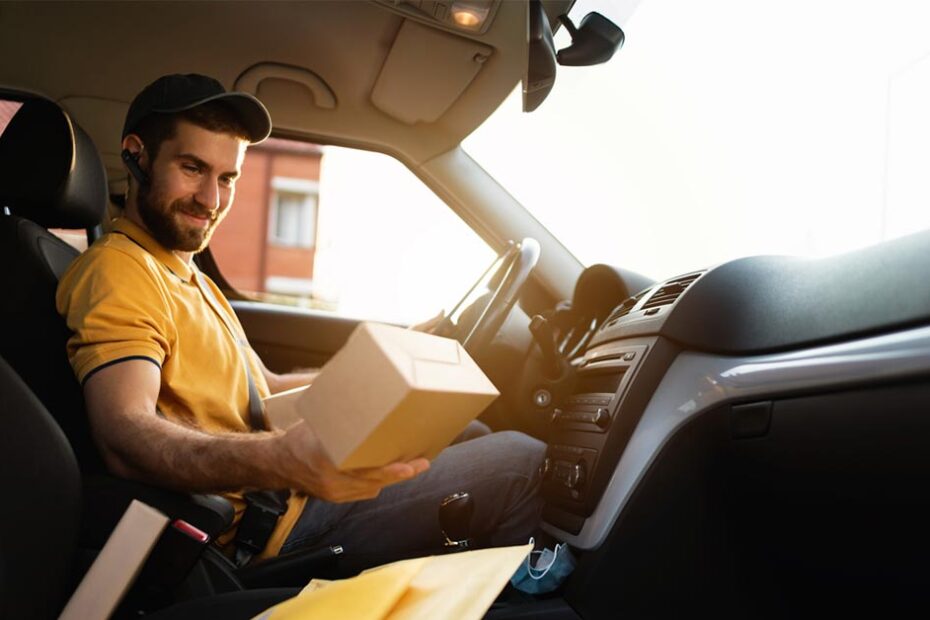
Many owners assume business deliveries only applies to dedicated delivery drivers or couriers. That is a costly misunderstanding. Business use can include:
- Delivering products you sell, such as baked goods, flowers, or retail items
- Transporting tools, equipment, or supplies to a job site
- Picking up or dropping off materials for a client
- Running errands directly tied to your business operations
- Using your vehicle for a food delivery or rideshare service
The Real Cost of an Uncovered Accident
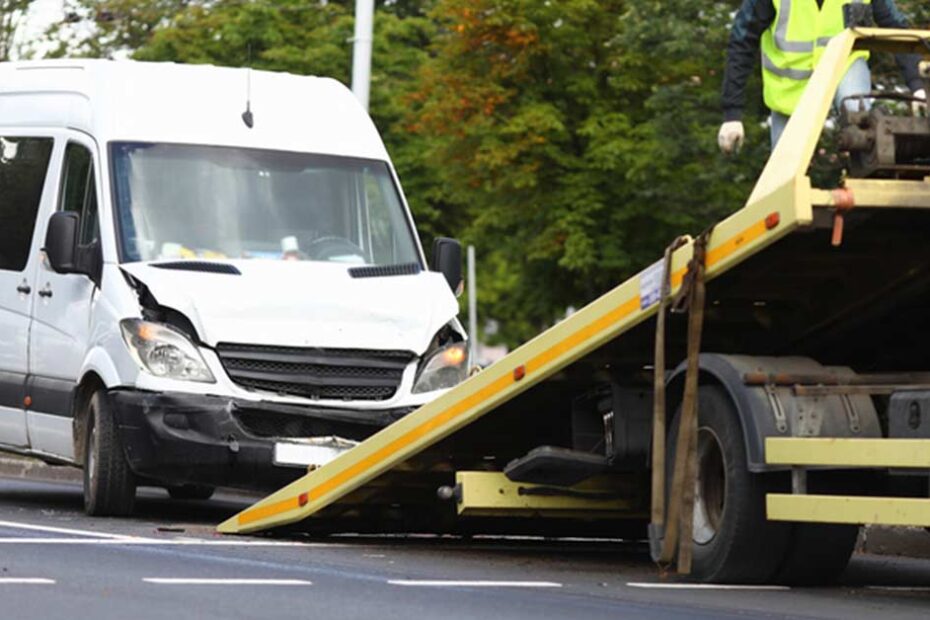
Imagine you’re delivering a customer’s order and rear-end another car at a stoplight. During the claim investigation, your personal insurer learns the trip was business-related. They deny the claim entirely. What happens next?
- Zero Vehicle Coverage: You pay out-of-pocket for your own auto repairs.
- Full Personal Liability: You are personally responsible for the other driver’s vehicle repairs, medical bills, and pain/suffering.
- Legal Fees: You absorb all legal defense costs and court settlements.
Personal Auto vs. Commercial Auto: What’s the Difference?
While both policy types protect against vehicle damage and liability, commercial auto insurance is engineered specifically for the elevated risks of business operations. It picks up directly where personal coverage cuts off. Here is how the two compare across key areas:
1. Scope of Coverage
- Personal Auto: Strictly covers personal use such as commuting to one fixed workplace, running household errands, or taking weekend road trips.
- Commercial Auto: Covers business-driven tasks, including making routine client visits, transporting specialized tools, hauling inventory, or making time-sensitive deliveries.
2. Liability Limits
- Personal Auto: Typically maxes out at standard state-mandated or personal umbrella limits (e.g., $100k/$300k), which can be wiped out quickly in a major accident.
- Commercial Auto: Offers significantly higher liability limits (often starting at $500,000 to $1,000,000 or more in combined single limits). This gives your business a much stronger legal safety net if a driver causes severe injury or property damage on the job.
3. Protection for What’s Inside the Vehicle
- Personal Auto: Personal insurance covers the vehicle itself, but it generally excludes business equipment, client goods, or products in transit.
- Commercial Auto: Can be customized with specialized endorsements (like Inland Marine or Cargo coverage) to protect tools, equipment, materials, and goods while they are loaded, unloaded, or on the road.
4. Drivers and Fleet Management
- Personal Auto: Policies are tied to named household members or permissive drivers making personal trips.
- Commercial Auto: Built to cover multiple employees driving corporate vehicles, hired drivers, or an entire fleet of cars, vans, and trucks under one centralized policy.
5. Policy Customization & Endorsements
- Personal Auto: Standardized policy structure with limited flexibility for business-related add-ons.
- Commercial Auto: Modular policies that can be tailored to your industry—adding options like Hired and Non-Owned Auto (HNOA) for employee-owned vehicles, specialized towing, or equipment coverage.
Do You Really Need Commercial Auto Insurance?
If you use your vehicle for anything beyond commuting to a single, fixed workplace, the answer is usually yes. Ask yourself:

- Do I deliver products or visit clients?
- Do I transport tools, inventory, or equipment?
- Does my business reimburse me or employees for mileage?
If you answered “yes” to any of these, your personal policy leaves you exposed.
Don’t Wait for a Claim to Find Out
The worst time to discover a coverage gap is right after an accident. By then, it’s too late to fix it. Reviewing your auto coverage now protects your business, your finances, and your peace of mind. At AIS Insurance, we can help find the right commercial auto solution for your operation. Give us a call today, at (866) 570-7335, to make sure your vehicle use is properly protected.
The information in this article is obtained from various sources and offered for educational purposes only. Furthermore, it should not replace the advice of a qualified professional. The definitions, terms, and coverage in a given policy may differ from those suggested here. No warranty or appropriateness for a specific purpose is expressed or implied.