












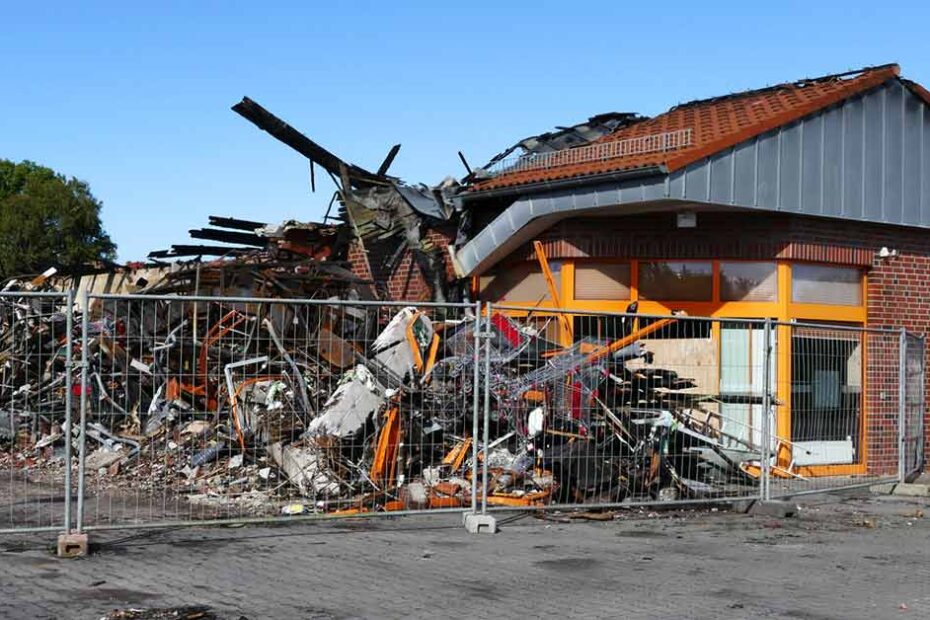
One bad claim can cost a small business tens of thousands of dollars. According to the Claims Journal, the average commercial general liability claim can exceed $75,000 and that’s before factoring in legal fees, lost productivity, or reputational damage. If you are a business that relies on vehicles, equipment, or employees, knowing which claims hit businesses most often puts you in a better position to prevent them and ensures your coverage is built to handle them when they do.
Why This Matters for Your Business
Most business owners buy insurance and move on. The problem is that coverage gaps often go unnoticed until a claim is denied or until a payout falls short of actual losses. Understanding the most common commercial insurance claims helps you do three things:
- Identify where your business is most vulnerable
- Verify that your current coverage addresses those risks
- Make smarter decisions when it’s time to review or update your policy
The Top 5 Most Common Commercial Insurance Claims
1. Commercial Auto Accidents
Vehicle-related claims rank among the most frequent and most expensive claims for businesses that use vehicles. Whether you’re running a construction crew, hauling materials in a dump truck, or sending technicians to job sites, the road is one of your biggest liability exposures.
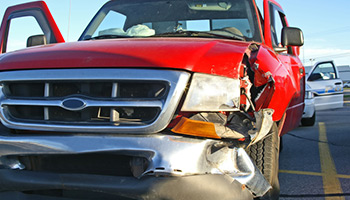
- Common causes: Distracted driving, rear-end collisions, and backing accidents in loading areas.
- Average claim cost: In 2026, moderate commercial auto settlements typically range between $50,000 and $150,000. If the accident involves severe injuries or multiple parties, costs can quickly jump into the seven-figure range.
- What to check: Review your liability limits and physical damage coverage (collision and comprehensive). If you use trailers, non-owned, or rented vehicles, confirm those are included in your policy.
2. Third-Party Bodily Injury Claims (General Liability)
When a third party such as a client, a bystander, or a member of the public gets hurt because of your business operations, a bodily injury liability claim follows. These claims happen more often than business owners expect and can escalate quickly, especially if the injured party pursues legal action.
- Common causes: Slips and falls on wet floors, injuries from falling equipment, or harm caused by a product you sold.
- Average claim cost: Legal defense costs, medical bills, and potential settlements make bodily injury claims among the most expensive your business can face. Claims involving serious injury can easily reach six figures once legal fees are included.
- What to check: Make sure your general liability limits are adequate for your industry and customer volume. If you’ve grown your business or taken on larger contracts, your original limits may no longer be sufficient.
3. Workers’ Compensation Injuries
Workplace injuries are the most consistent source of claims for businesses with employees. And industries like construction, healthcare, or manufacturing, carry above-average risk because the work is physically demanding and often performed in unpredictable environments.

- Common causes: Overexertion from lifting, struck-by-object incidents, and falls from heights.
- Average claim cost: Workers’ comp rates and claim costs are rising due to a 5-12% increase in hospital service inflation across many states. Even “minor” medical claims are costlier to settle with claims being pushed upward by general wage and medical tech costs.
- What to check: Most states legally require workers’ compensation if you have only one employee. If you’ve hired new staff, especially in higher-risk roles
4. Commercial Property Damage
Fire, theft, vandalism, and severe weather can destroy equipment, inventory, and the physical space your business depends on. Commercial property claims cover the cost to repair or replace these assets but only up to your policy limits.
- Common causes: Fire/smoke, burst pipes, and storm damage (wind/hail).
- Average claim cost: Rebuilding is more expensive than ever. Nonresidential construction prices are approximately 40.5% higher than pre-2020 levels. A claim that would have cost $100,000 to repair a few years ago can now easily exceed $140,000 for the exact same footprint and materials.
- What to check: Review your property insurance limits against current replacement values — not the original purchase price. If you’ve renovated, added equipment, or expanded your space, your limits may be outdated. Also consider whether a Business Owners Policy (BOP) makes sense, which can bundle property and liability coverage at a lower combined cost.
5. Theft and Vandalism
Equipment theft is a persistent problem for businesses that operate in the field. Tools left on trailers, vehicles parked at job sites overnight, and materials staged for the next day are all targets. The National Equipment Register estimates that equipment theft costs the U.S. construction industry between $300 million and $1 billion annually.
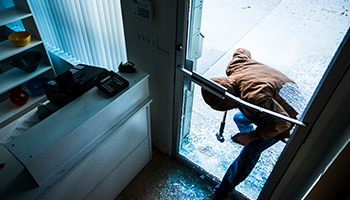
- Common stolen items: Power tools and hand tools, trailers, copper wiring, lumber, and other stated materials
- Average claim cost: For the average small business, a single burglary or theft incident typically results in a loss of $8,000 to $20,000 when you factor in the replacement of specialized tools, broken windows/locks, and the lost revenue from being unable to work the next day.
- What to check: Standard commercial auto policies cover your vehicles, but they typically don’t cover equipment or tools stored in them. That’s where inland marine insurance (tools and equipment coverage) fills the gap. Without it, replacing stolen gear comes entirely out of your pocket.
Get a Commercial Insurance Quote from AIS Today
If you’re not sure whether your current policy covers the claims described above, now is the right time to find out. Call us at (866) 570-7335 to speak with a business insurance specialist and get a free, no-obligation quote. We’ll review your current coverage, identify any gaps, and help you build a policy that protects your business.
The information in this article is obtained from various sources and offered for educational purposes only. Furthermore, it should not replace the advice of a qualified professional. The definitions, terms, and coverage in a given policy may differ from those suggested here. No warranty or appropriateness for a specific purpose is expressed or implied.